Why I Like Anamorphic Projection
Why I Like Anamorphic Projection
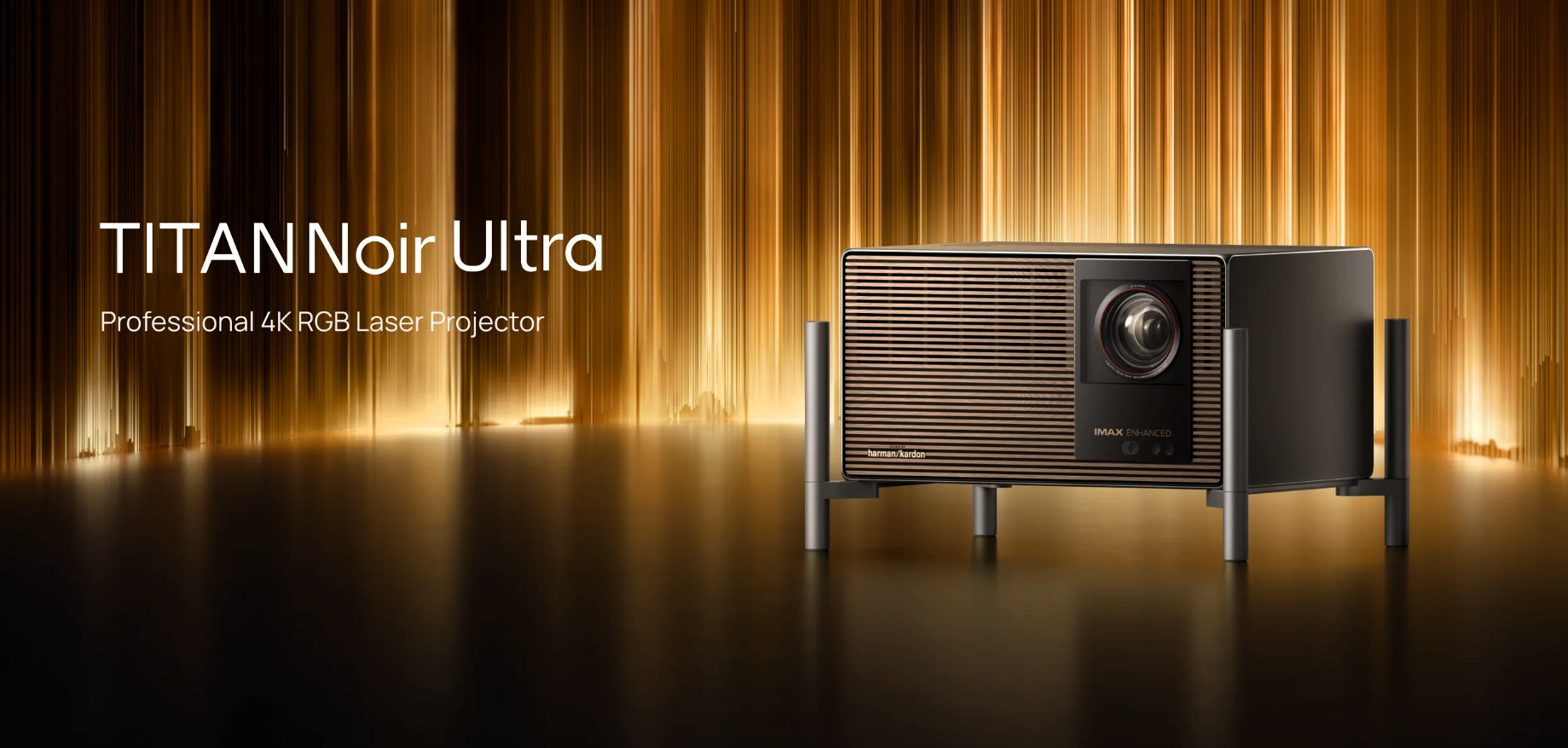
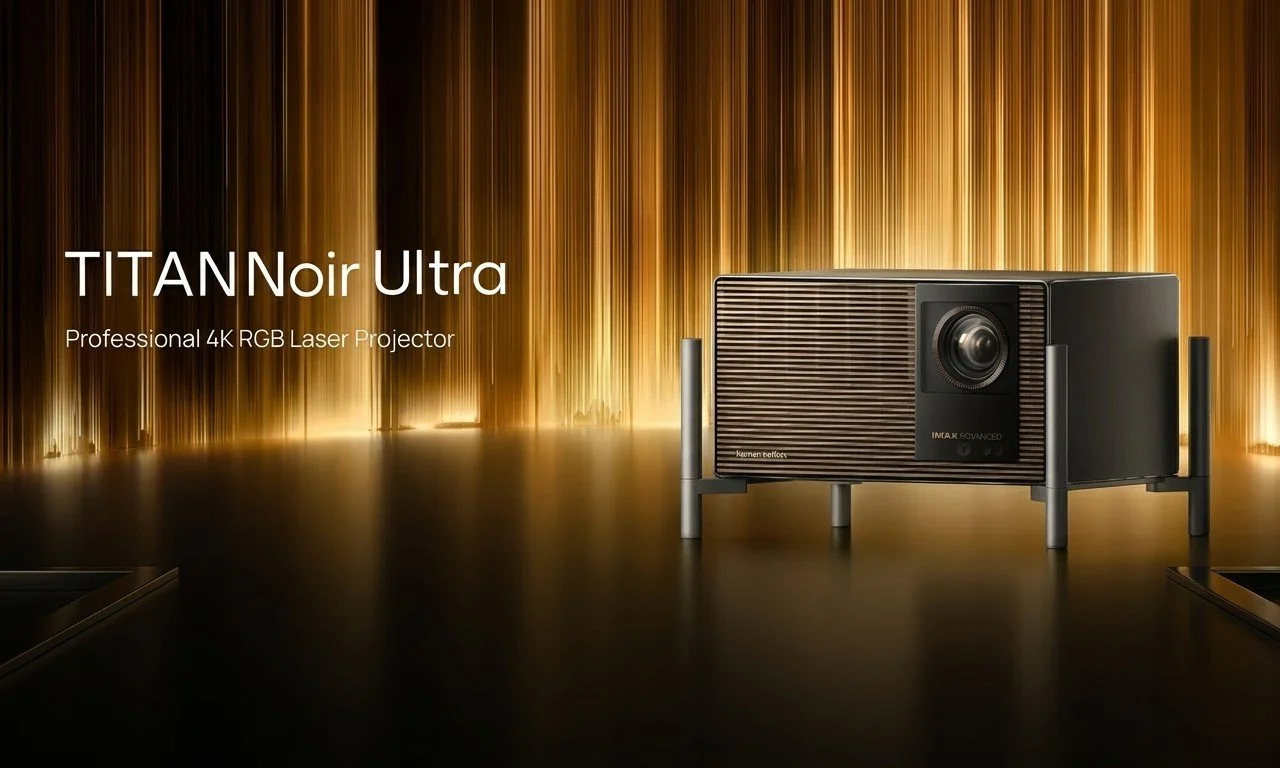
Using a 1.33x Isco IIIL with the XGIMI TITAN Noir Ultra
A little background
I've been involved with projection for most of my life.
While the other kids in the neighbourhood were playing with a ball, I was playing cinema with projectors. I started with 8mm, 9.5mm and Super 8, making my own films and advertisements. I even built a small cinema in my bedroom with a ticket box and sold tickets to the neighbourhood kids.
Later I moved into the double garage when I progressed to 16mm sound. I built a large curved screen with curtains and footlights and a separate projection room.
At 13, I went into my first real projection room at the Cameo Theatre in Grey Lynn, Auckland. At 16, I started my professional career at the St James Theatre in Auckland, and eventually worked as a full-time projectionist for more than 35 years, screening 35mm and 70mm.
Towards the end of my career I started an audio-visual business and sold home-theatre projectors from the major brands.
So I've spent a very long time looking at projected images, and CinemaScope and anamorphic projection has always been a particular interest of mine.
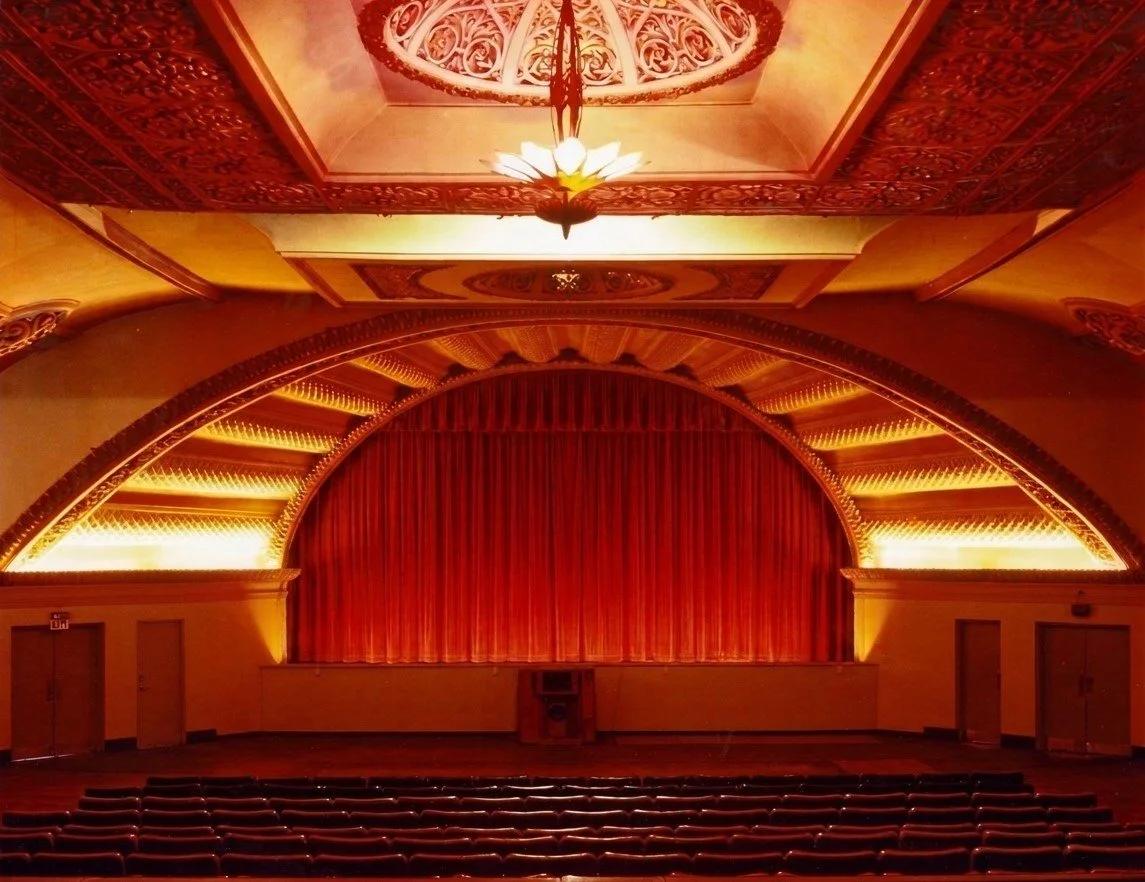
At 13, I went into my first real projection room at the Cameo Theatre in Grey Lynn, Auckland.
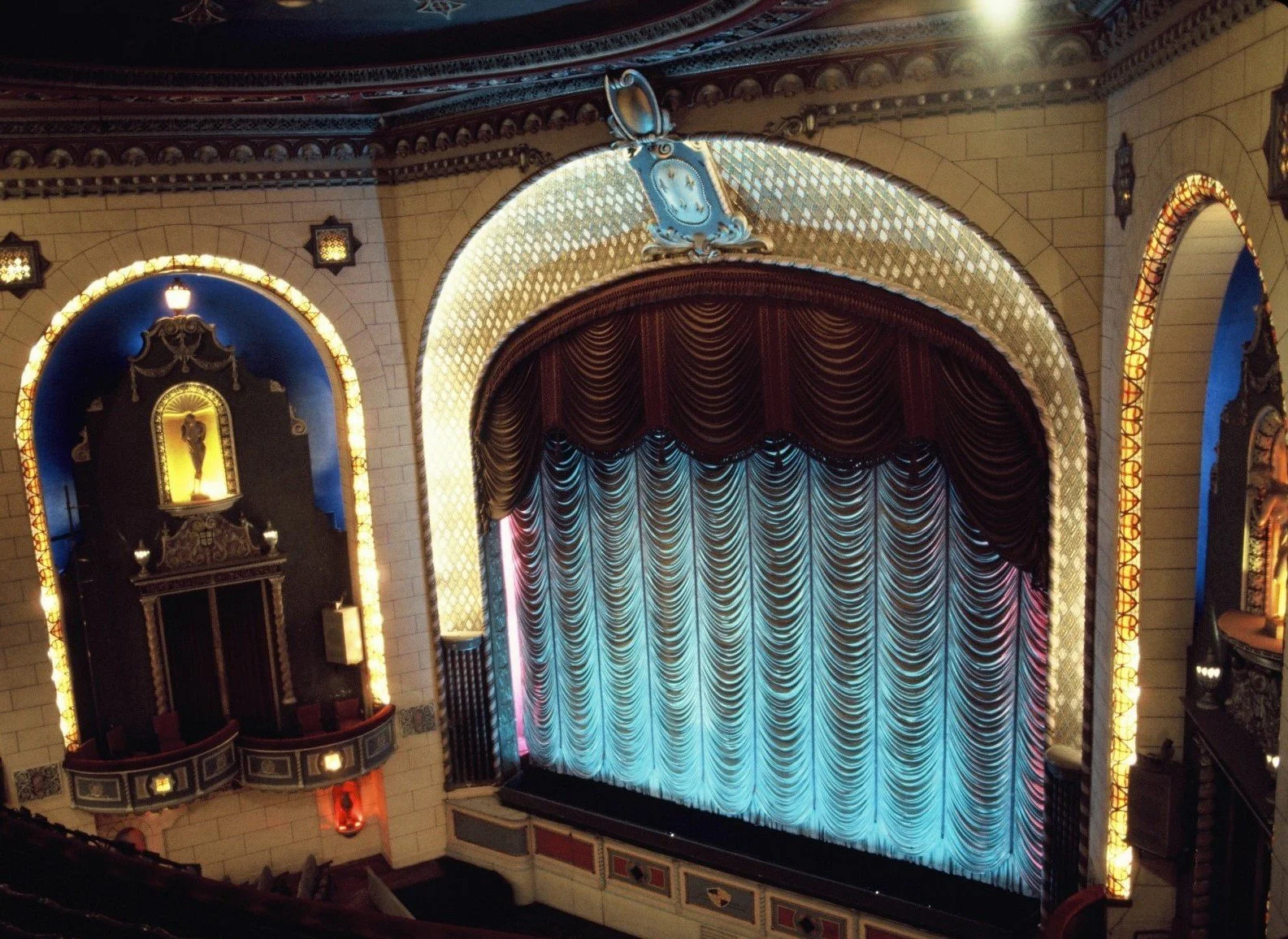
At 16, I started my professional career at the St James Theatre in Auckland.
Why this report is different
This isn't intended to be another conventional projector review with pages of measurements. There are already plenty of those available.
As far as I'm aware, this is the first detailed report of a TITAN Noir being used with a genuine 1.33x cinema anamorphic lens and a fully automated CinemaScope setup.
I've seen plenty of discussion about the TITAN projectors themselves, but I haven't come across another report showing this particular combination of projector, Isco anamorphic lens, JRVR processing, automated masking and Cineslide operation.
So this report is really about using the TITAN Noir Ultra as part of a proper CinemaScope system, rather than simply reviewing the projector on its own.
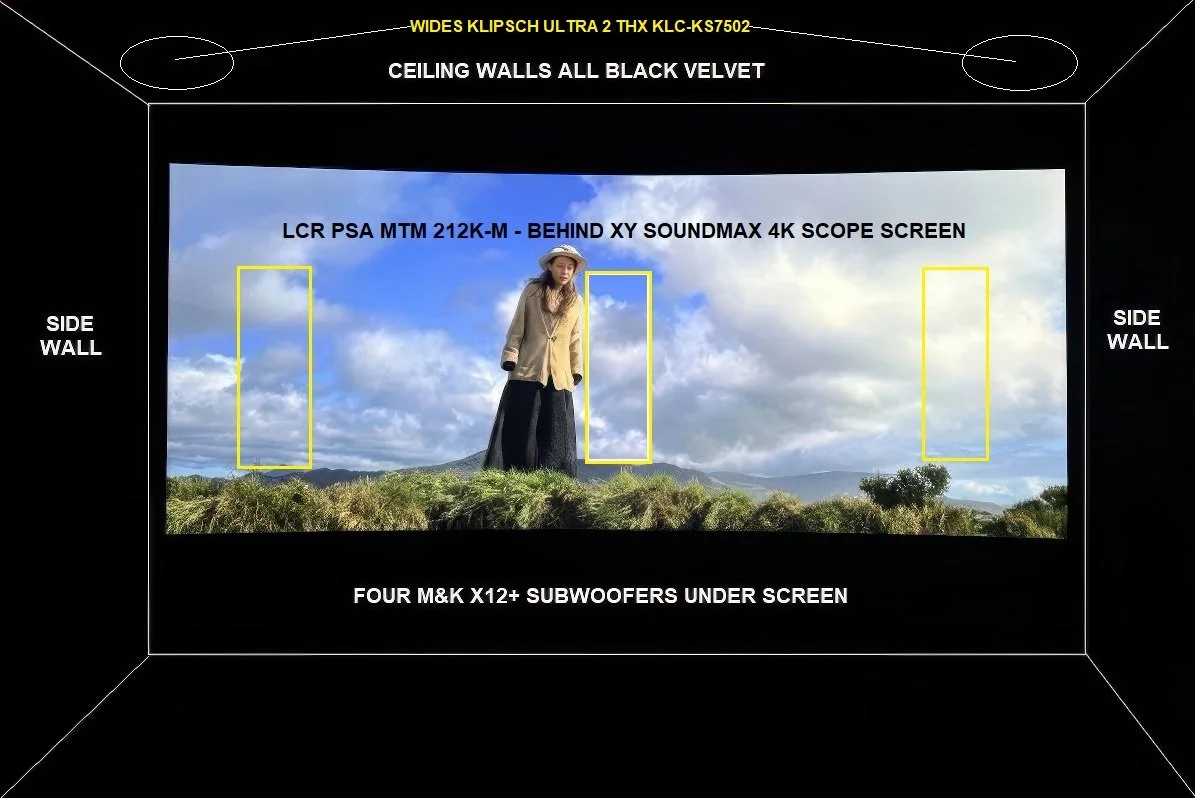
My screen is a 150-inch curved 2.35:1 XY SoundMax 4K CinemaScope screen. The room is 4 metres wide by 6 metres deep, including the backstage speaker area.
The room is entirely covered, ceiling and walls, with black velvet and black carpet over three rows of seating on risers. The only way for me to light the area without any fittings reflecting back to the audience or screen is with coloured strip LED, recessed behind hidden channels.
The source is my HTPC running JRiver MC36 with JRVR and an NVIDIA RTX 5070.
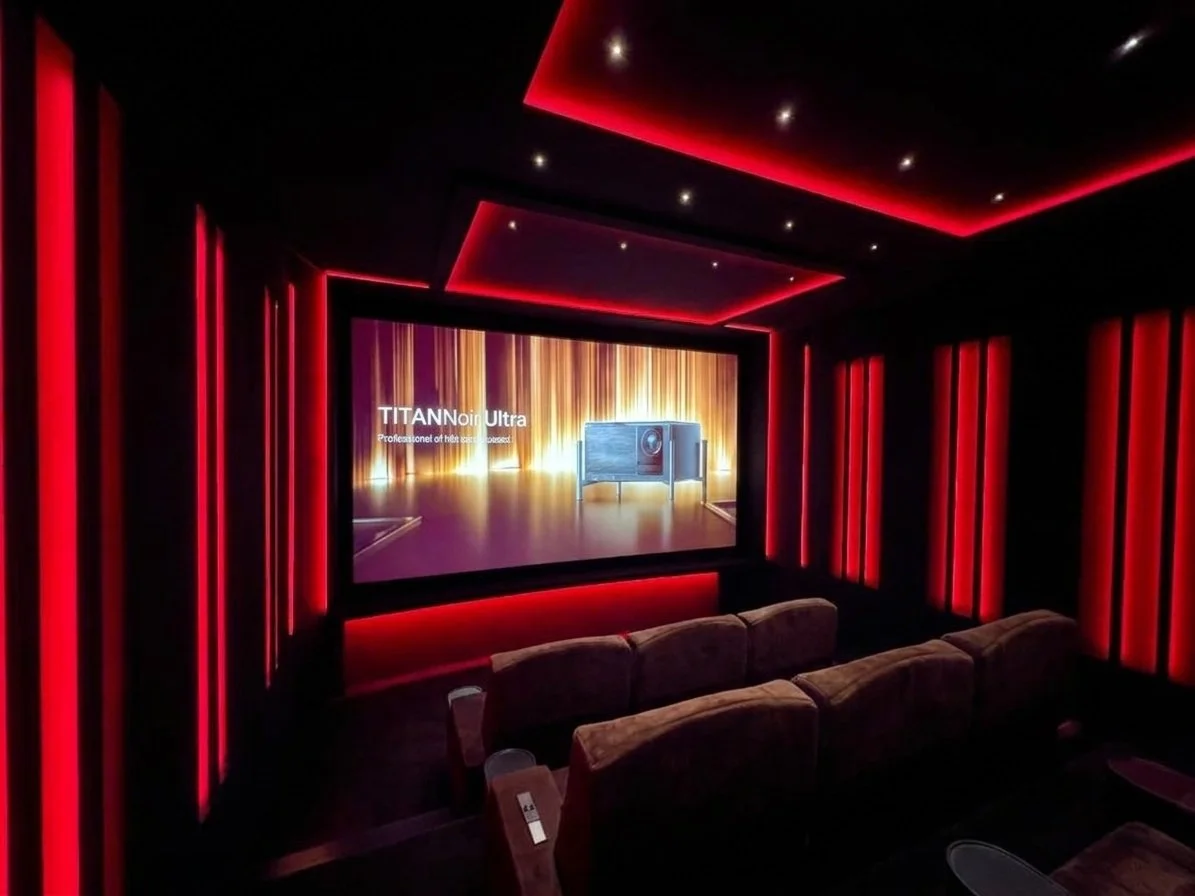
THE ROOM 3 ROWS OF 3 SEATS OVER RISERS - LYNGDORF MP-60 - PSA SPEAKERS - ATMOS 7.3.6
Why moving away from JVC matters to me
For many years I was a complete JVC fanboy. I owned virtually every top-end JVC over the years, and JVC was the only projector brand in my home theatre for around 17 years.
So the fact that I've now temporarily moved away from JVC is actually quite significant for me.
I have a close relationship with JVC and still have enormous respect for what they have achieved. In my opinion, JVC is probably the most polished home-theatre projector available, and when it comes to native black level, I still don't think anyone does it better.
However, after spending a lot of time with the TITAN Max and Ultra, I've realised there is more to this hobby than just black level.
The TITANs deliver very high ANSI and intra-scene contrast, which gives the picture a different character. Bright objects have much more impact against dark backgrounds and the image has a very strong sense of depth.
Once you see that sort of image, it is difficult to go back.
To my eyes, it can almost look better than 3D — and I'm doing it without glasses.
Before I return to JVC, I'd want to see more light output, no bright-corner issues, full P3 colour without having to use a colour filter, and higher ANSI contrast.
And if they can somehow give us even more black level performance, I'll be over the moon.
The Isco IIIL and Cineslide
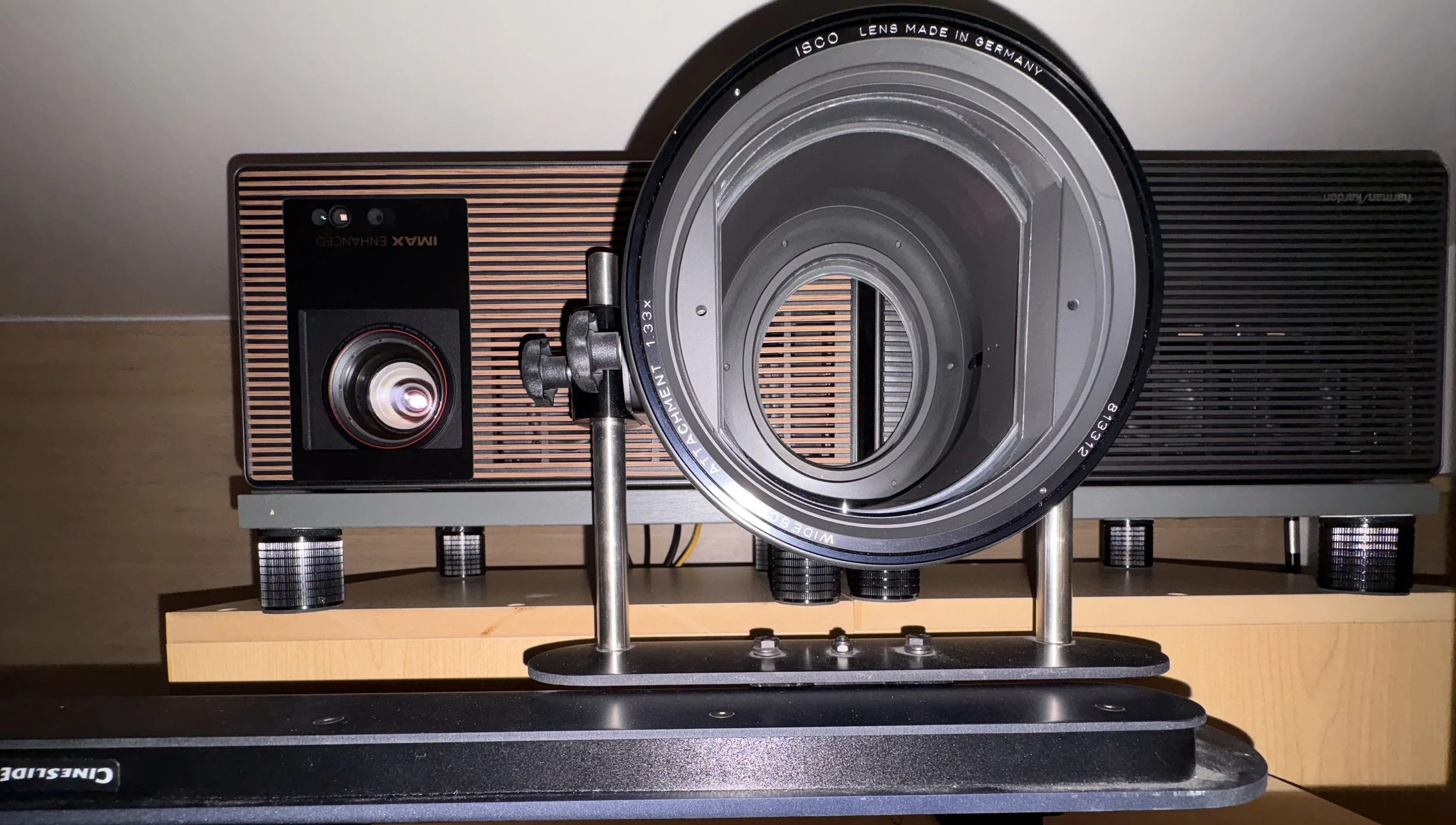
My anamorphic lens is an Isco IIIL, mounted on a Cineslide.
The Isco IIIL is no longer manufactured. Production stopped many years ago as projectors increasingly introduced lens memory and electronic aspect-ratio solutions. The Cineslide is also no longer in production.
Both are now essentially second-hand-market items, so this isn't a setup that most people can simply buy new today.
However, there is one major advantage to this old-school approach that I really like:
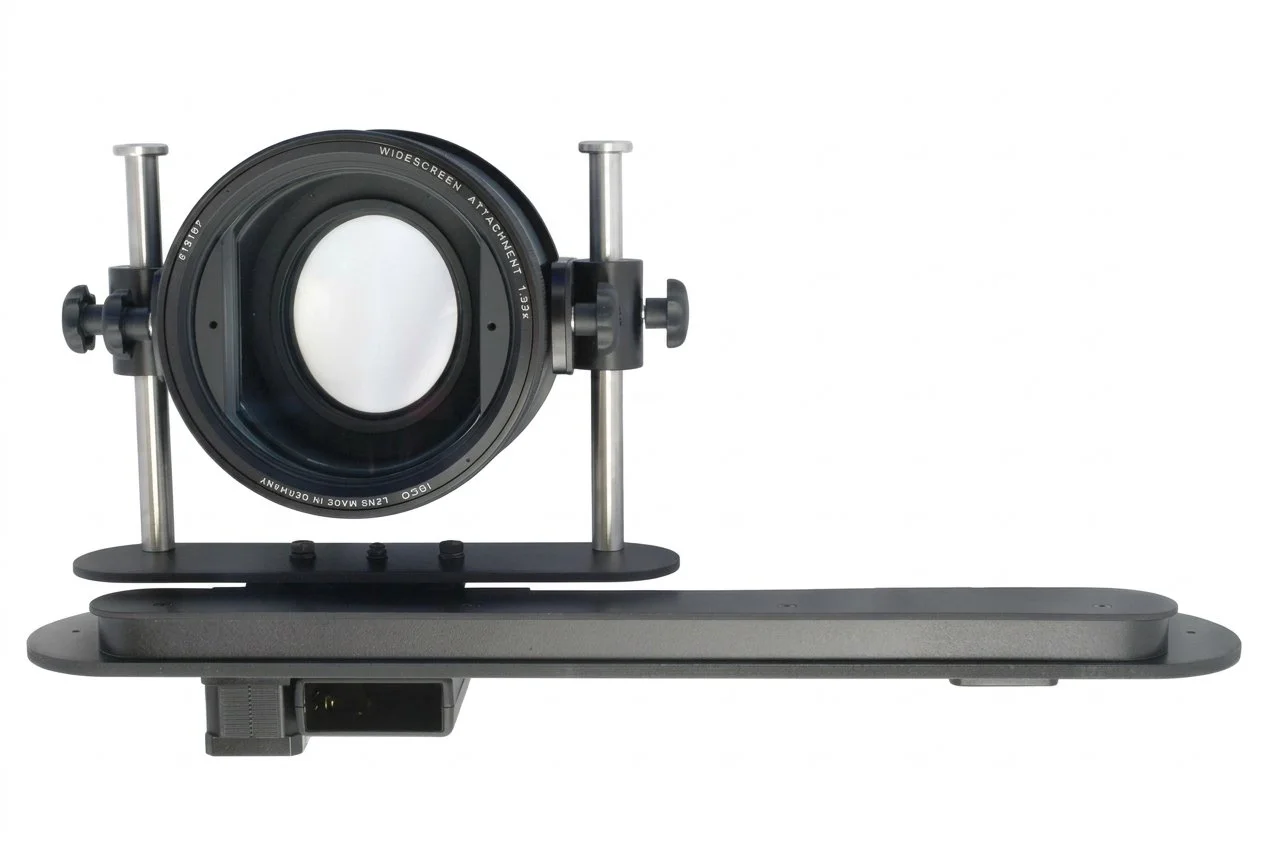
Isco IIIL Anamorphic lens on a Cineslide
Speed.
When the Isco is aligned with the projector, the Cineslide moves it into the optical path in less than a second.
With lens memory, the projector's lens has to physically move between positions and usually refocus and settle as well. This can take many seconds, and even very expensive projectors don't always return to exactly the same alignment every time.
With the Cineslide, the optical system is already aligned.
Press the button and you're there.
For me, that is one of the great advantages of anamorphic projection.
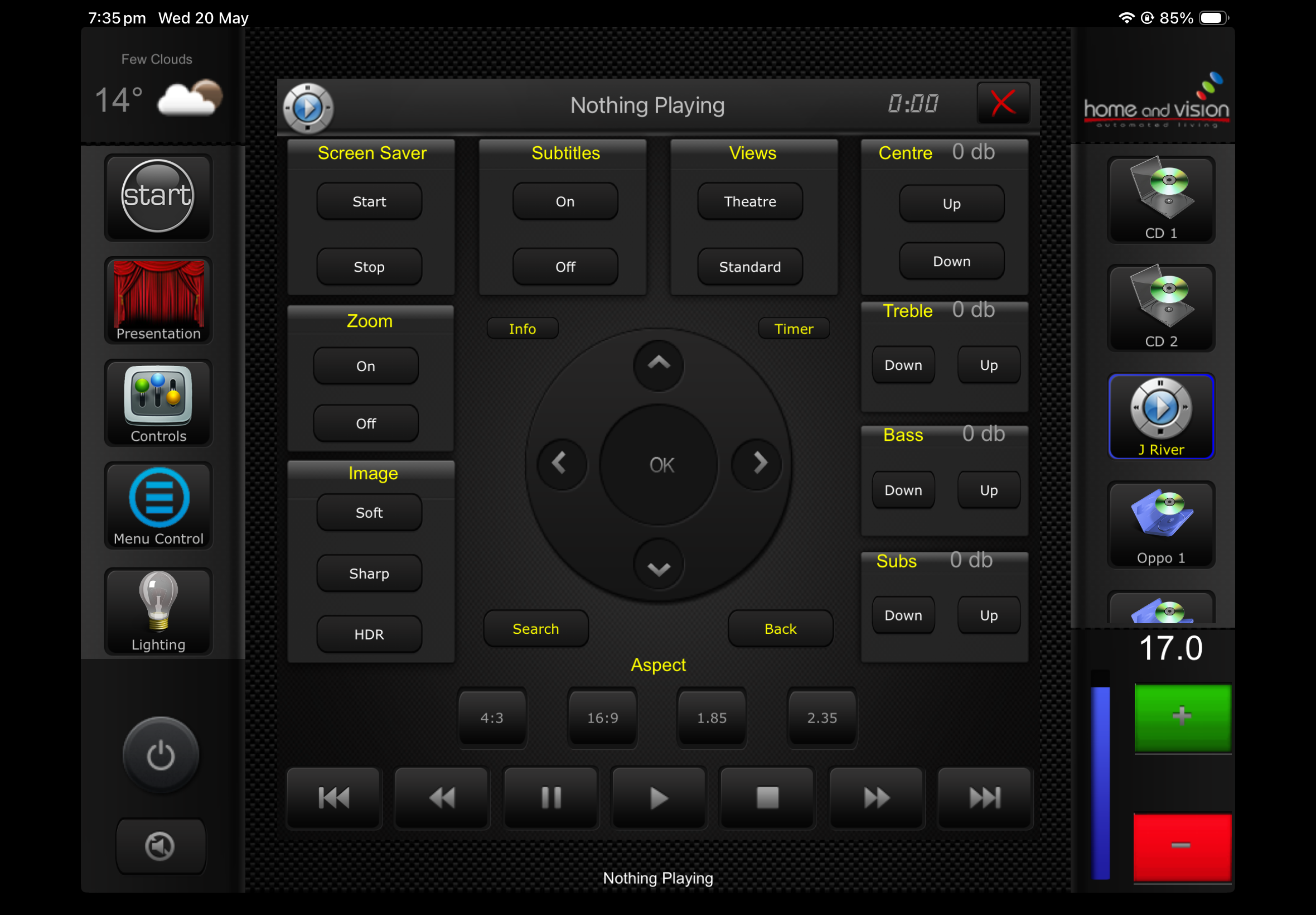
Ipad uses Command Fusion to operate everything in the theatre, film, lighting, curtain, audio including aspect ratios, masking, Cineslide, Stretch, Geometry Correction.
The complete automated system
I've built a custom projector slide that holds two projectors, both aligned to the same Isco IIIL.
At the moment the TITAN Noir Ultra and TITAN Noir Max are mounted side by side, allowing me to compare them using the same anamorphic lens and screen.
I have also made a timber stand with adjustable feet to hold the projector upside down. This allows the projector's exhaust to exit upwards rather than down into the cabinet, which helps reduce the internal operating temperature.
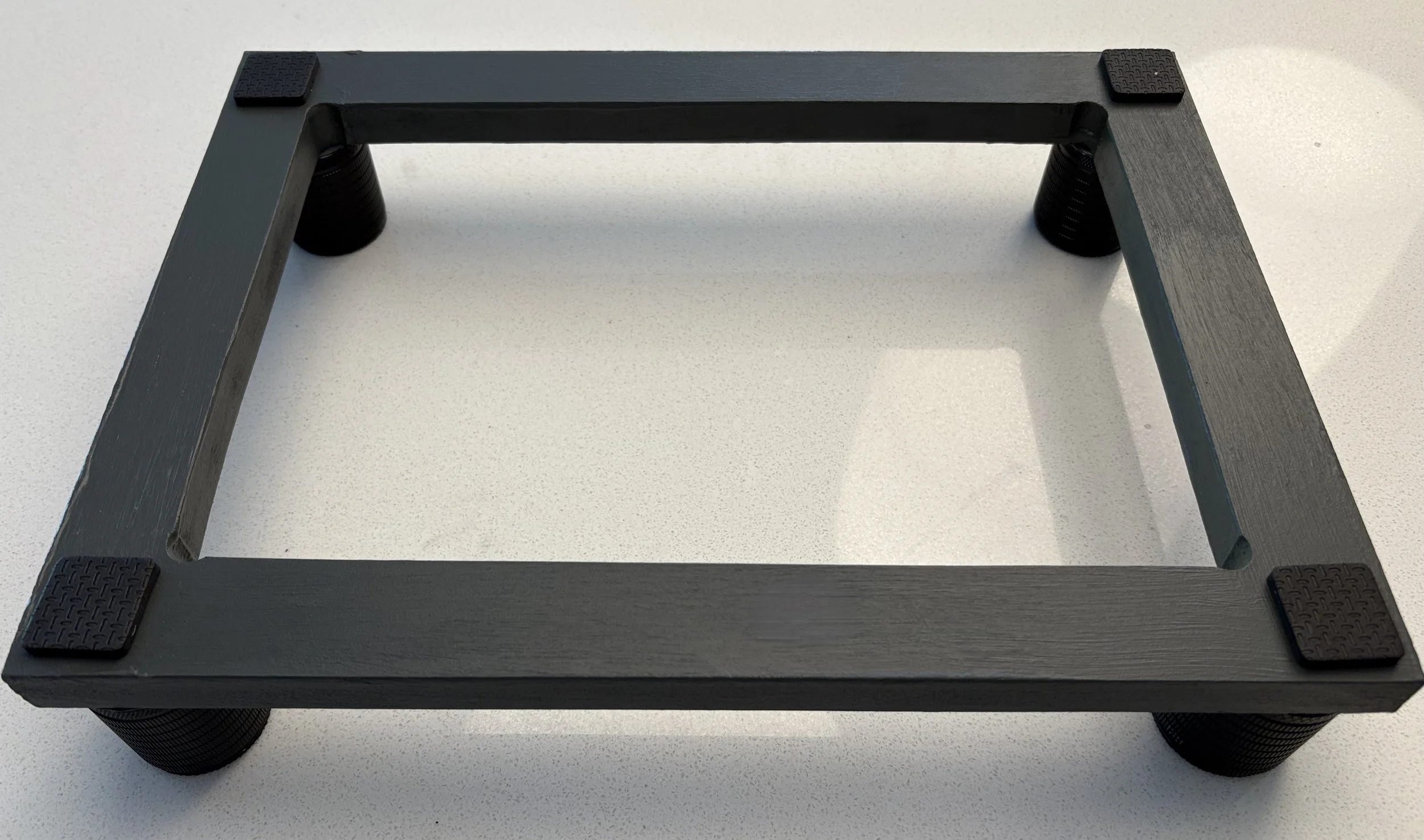
DIY Timber Stand with adjustable feet holds the Ultra in upsode down mode.
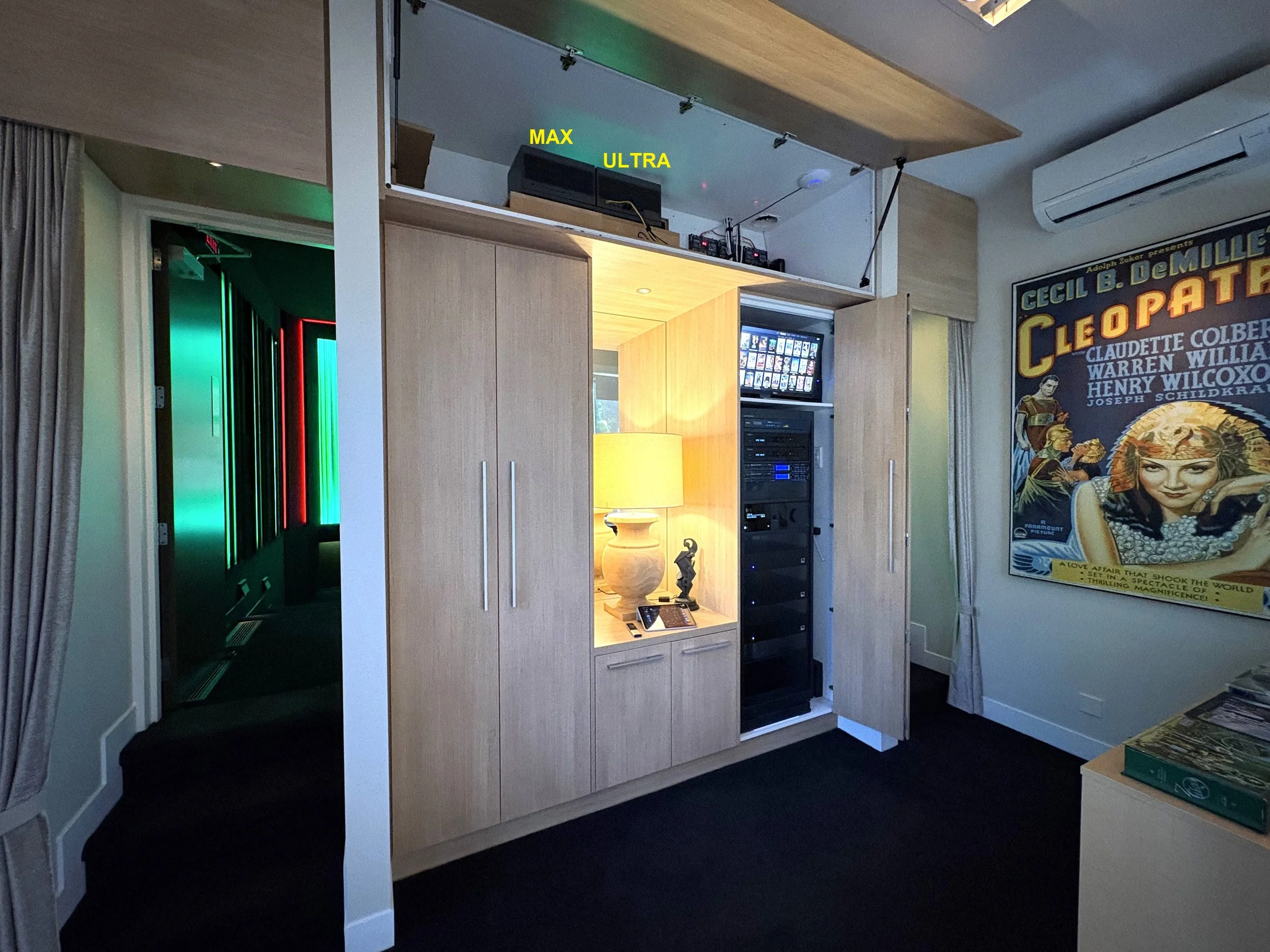
Cinema foyer projection cabinet houses 2 projectors on a sliding plinth, plus DMX, control systems,, exractor fan with monitor and rack below.
The projection cabinet itself has a massive drum extractor fan that vents directly outside the building. The extractor is automated through RS-232 and starts whenever the projector is switched on, so the hot air is continuously removed from the cabinet while the projector is running.
I control the system from an iPad using CommandFusion.
When I select Scope, one command triggers the complete change. The Cineslide moves the Isco IIIL into the light path, JRVR applies the anamorphic stretch and geometry correction, the JRVR digital masking changes to Scope, and the physical black velvet masking moves to the Scope position — all in less than a second.
When I select 16:9, everything reverses. The Isco moves out of the light path, JRVR changes back to 16:9, the digital masking changes and the physical velvet masking moves to the 16:9 position.
My physical masking has four positions: 4:3, 16:9, 1.85:1 and 2.35:1 Scope.
So the entire change is effectively a single-button operation.
This is important because the TITAN currently has no native anamorphic stretch, digital masking or geometry correction specifically for anamorphic projection, so JRVR is doing those jobs for me.
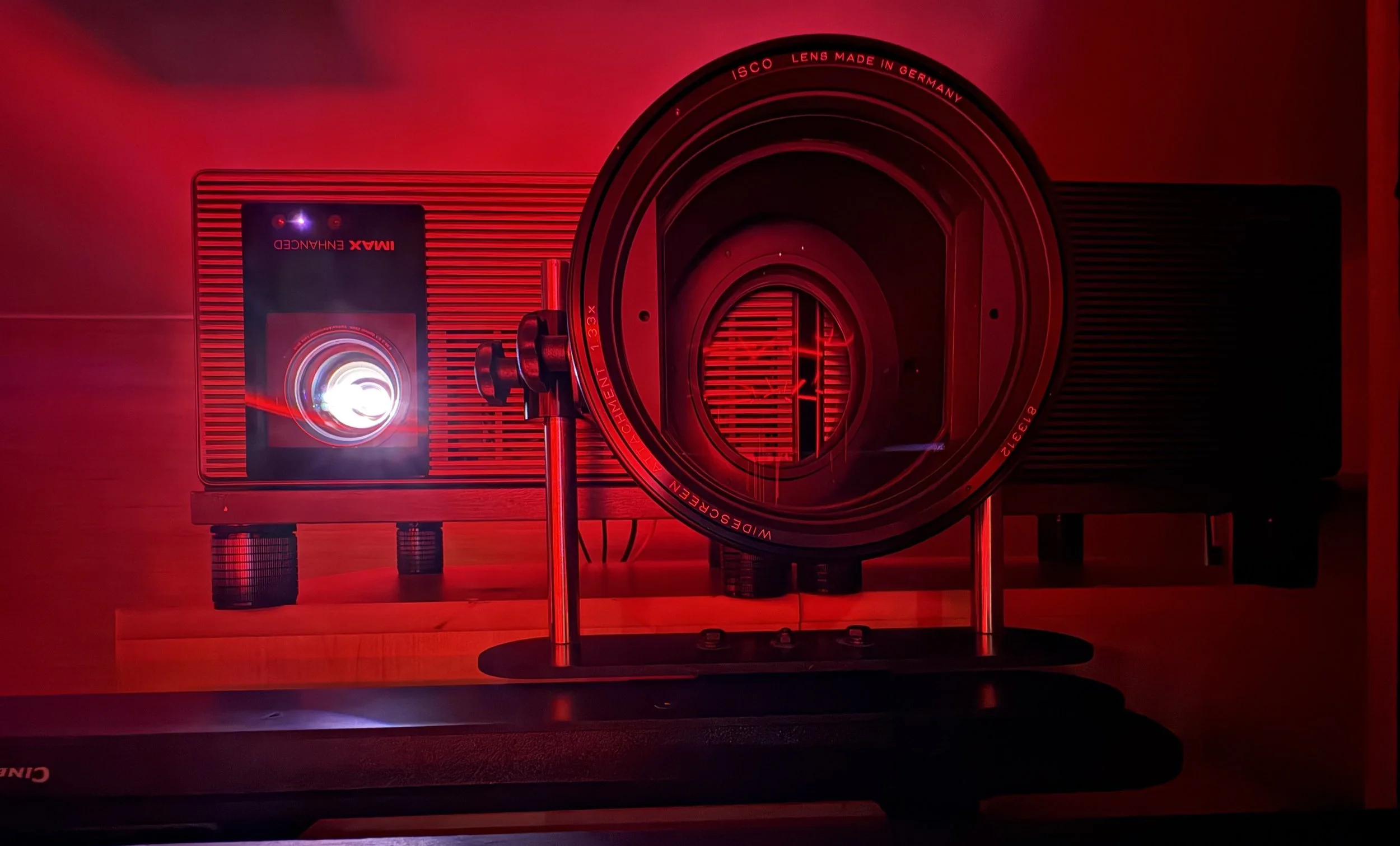
Isco in “OUT” postion on Cineslide for 16:9
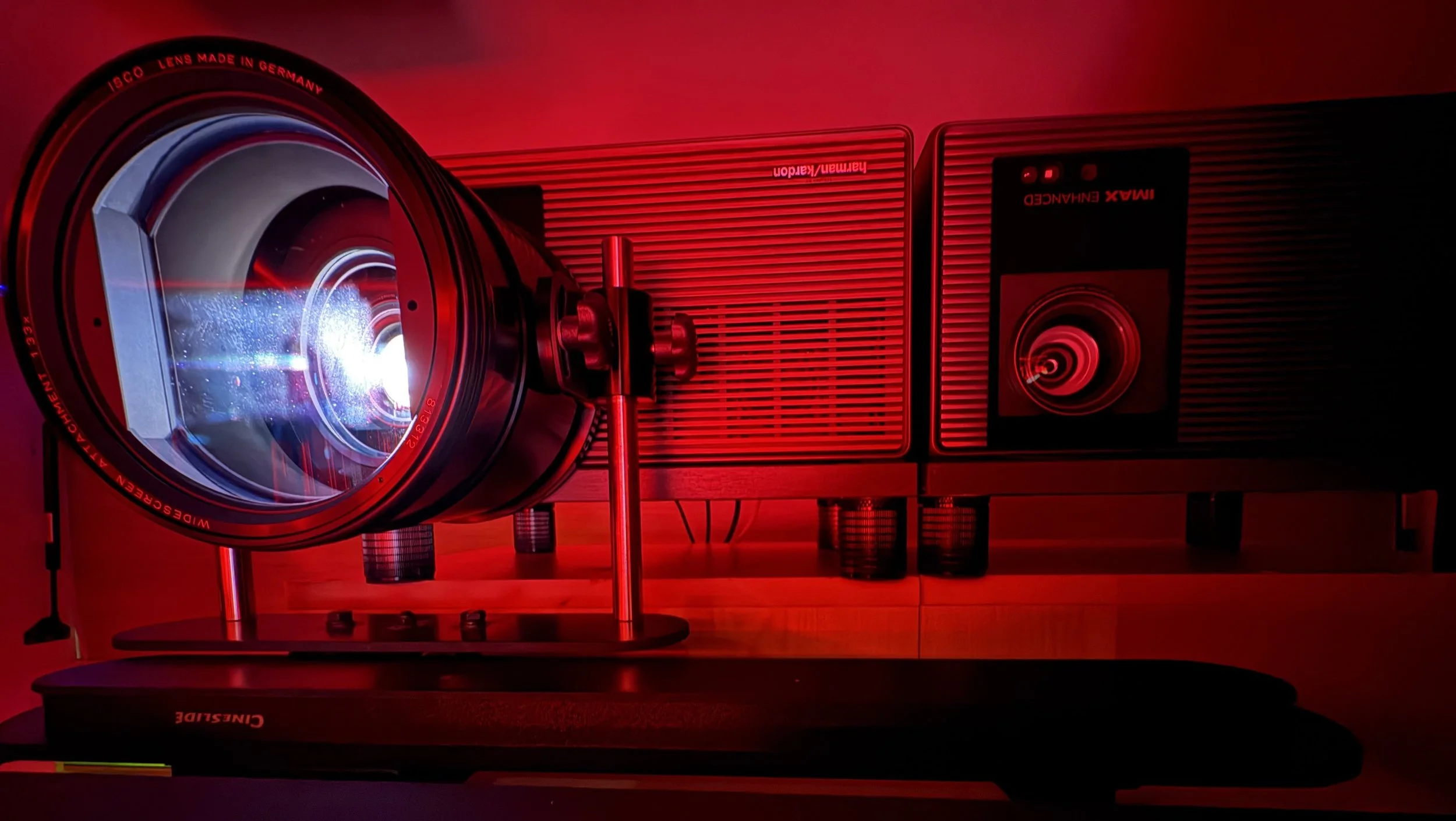
Isco in “IN” position on Cineslide for CinemaScope.
JRVR — only the important bits
I'm deliberately not going into all of my JRVR settings here because that could easily become a separate post.
The important functions for this report are that I use JRVR for the anamorphic stretch, geometry correction and digital masking.
I also use JRVR for my scaling, processing and HDR-to-SDR tone mapping.
Everything is processed through JRiver MC36 and my RTX 5070 before being sent to the TITAN.
I run my material in a BT.2020 container, including SDR material.
The detailed JRVR settings are quite complex, and I don't want this report to turn into a JRiver tutorial. The important point is simply that JRVR provides the anamorphic processing that the TITAN doesn't currently provide itself.
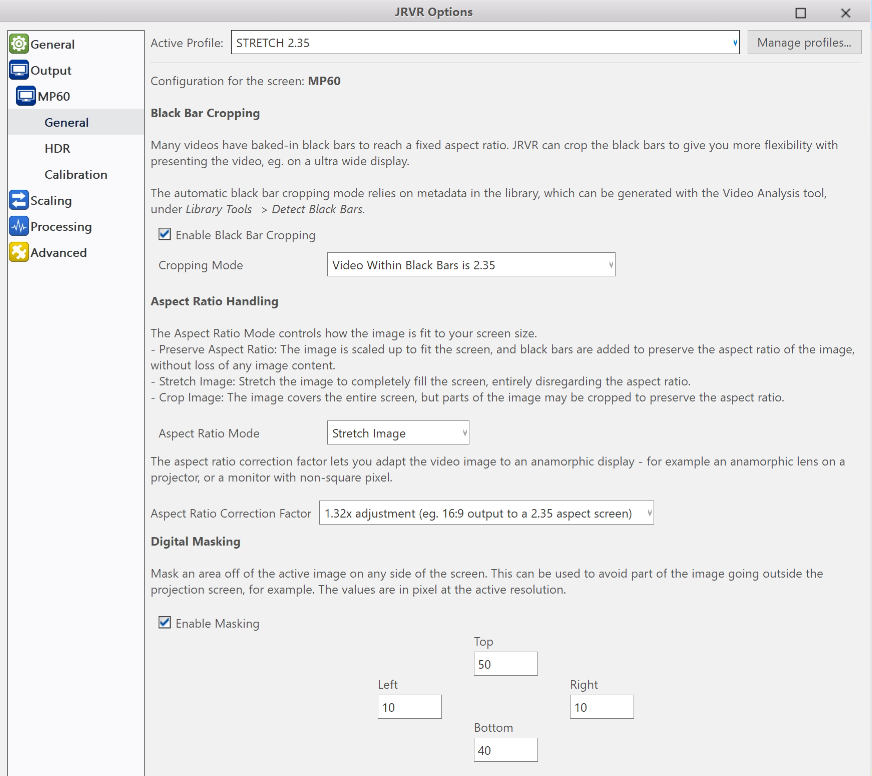
Anamorphic Stretch & Geometry Correction
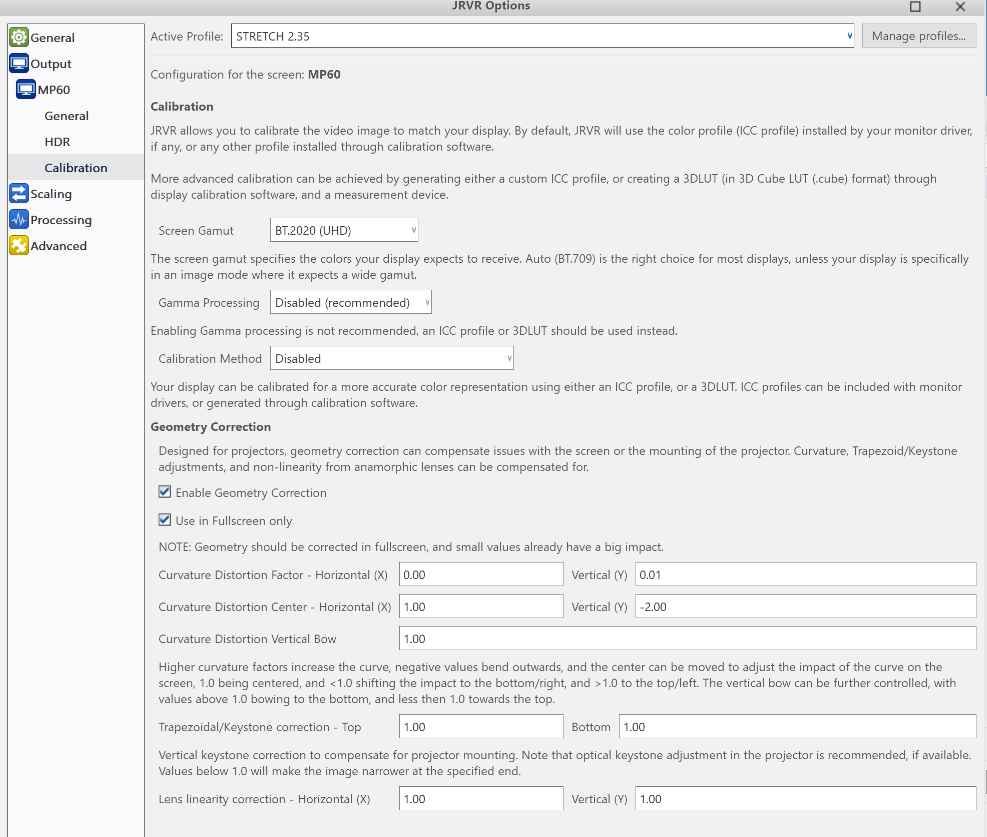
JRiver MC36 - CinemaScope Geometry Correction
The CinemaScope result & a little eye candy
So how does it actually look?
Outstanding.
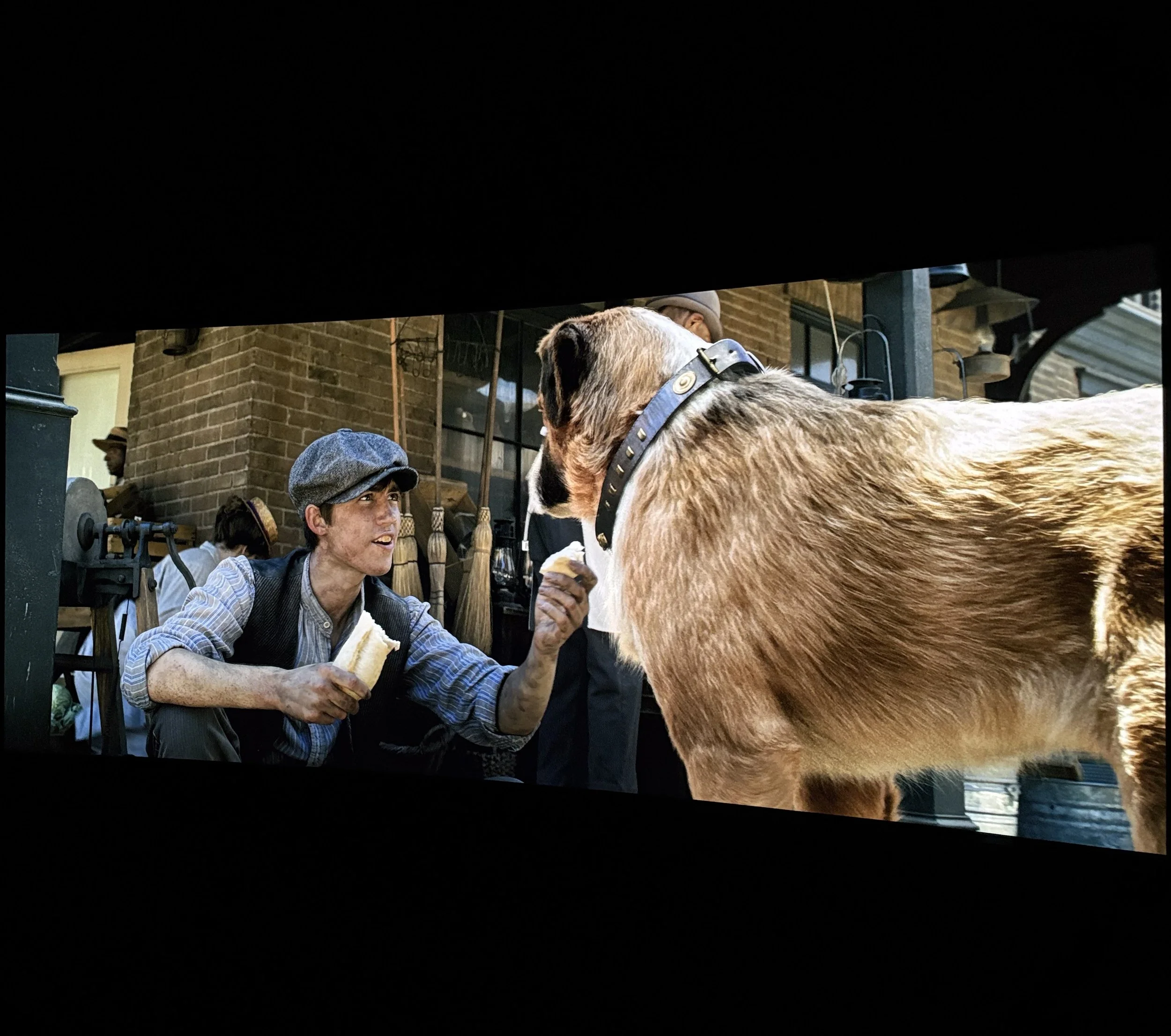
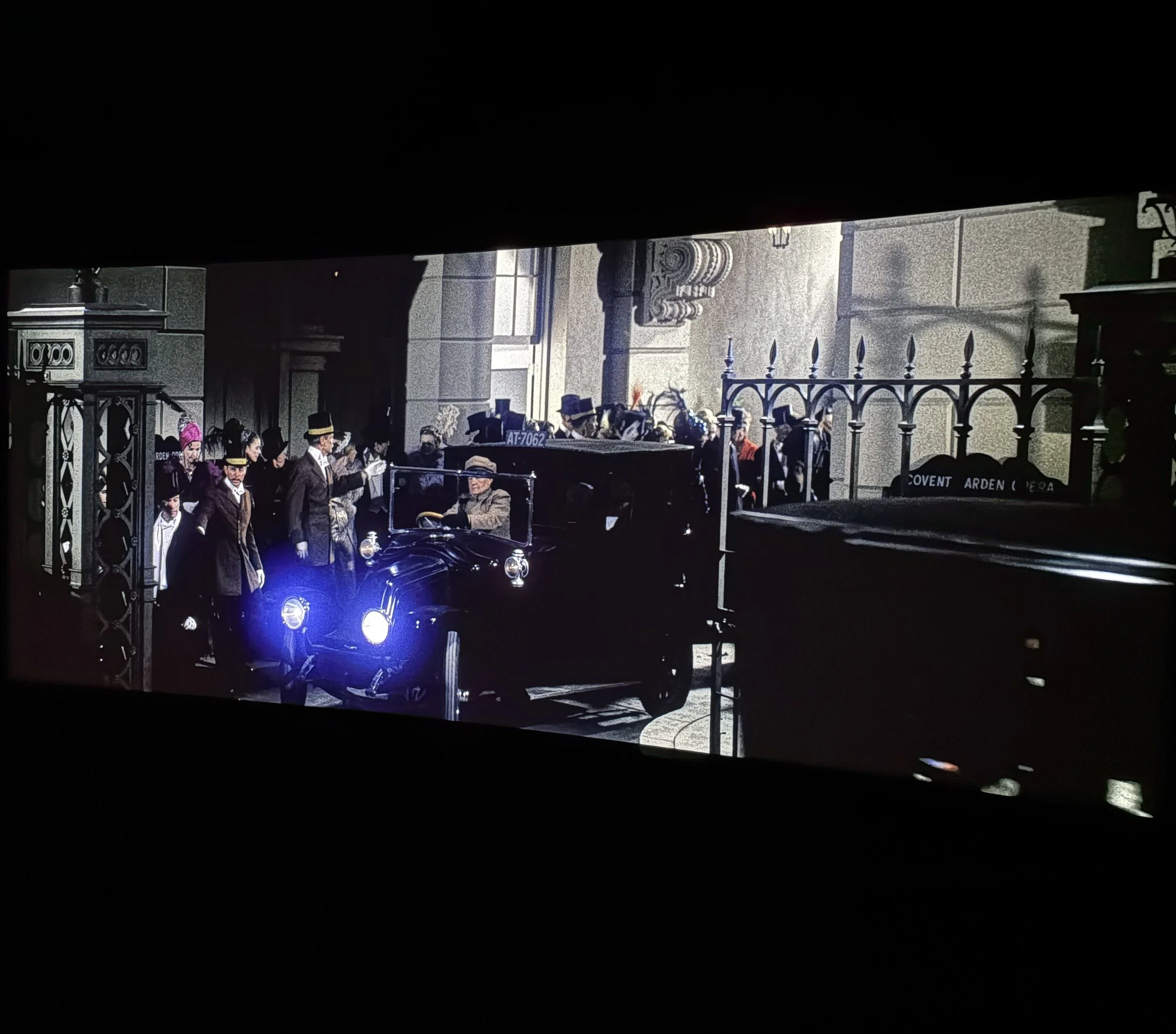
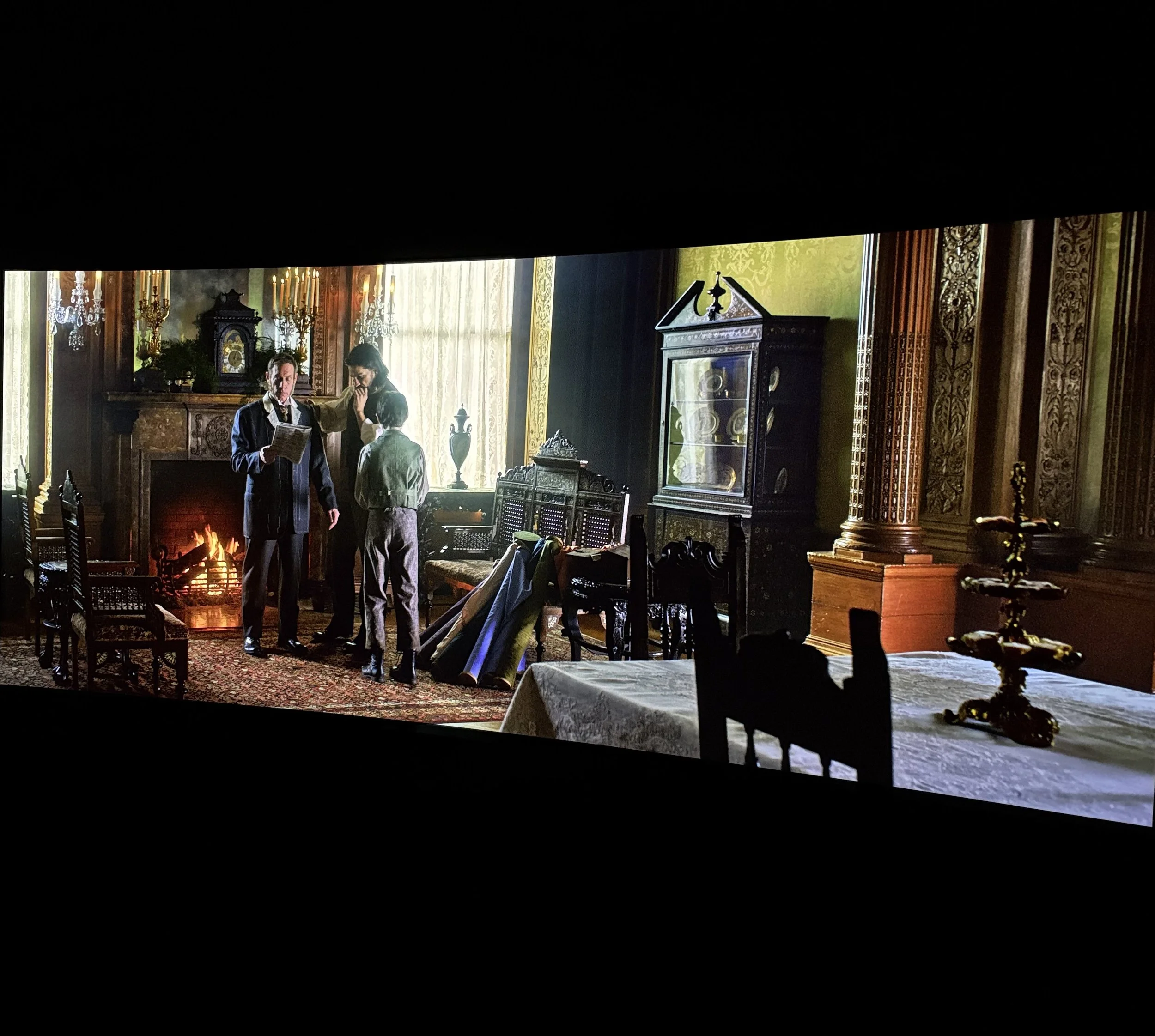
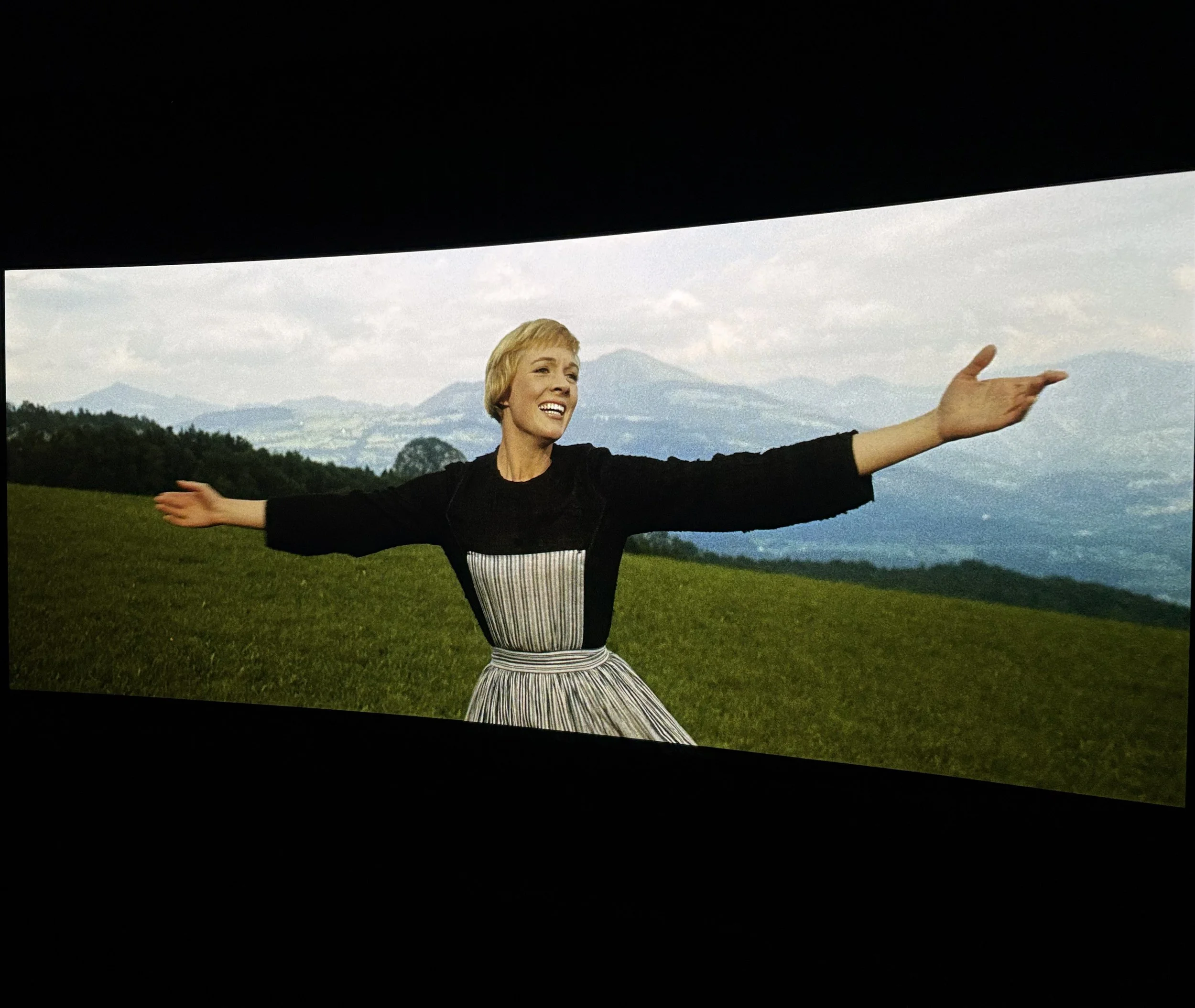
The first thing that impressed me was the edge-to-edge sharpness.
Even with a 150-inch curved screen and the Isco IIIL in the optical path, I'm getting excellent sharpness across the image. The centre isn't simply sharp while the edges fall away.
The contrast also holds up extremely well through the anamorphic lens.
And there is more than enough light.
The TITAN Noir Ultra has plenty of light output for my 150-inch Scope screen, even with the Isco in place.
JRVR stretches the image to make full use of the projector's available height, and the 1.33x Isco then expands it optically to fill the CinemaScope screen.
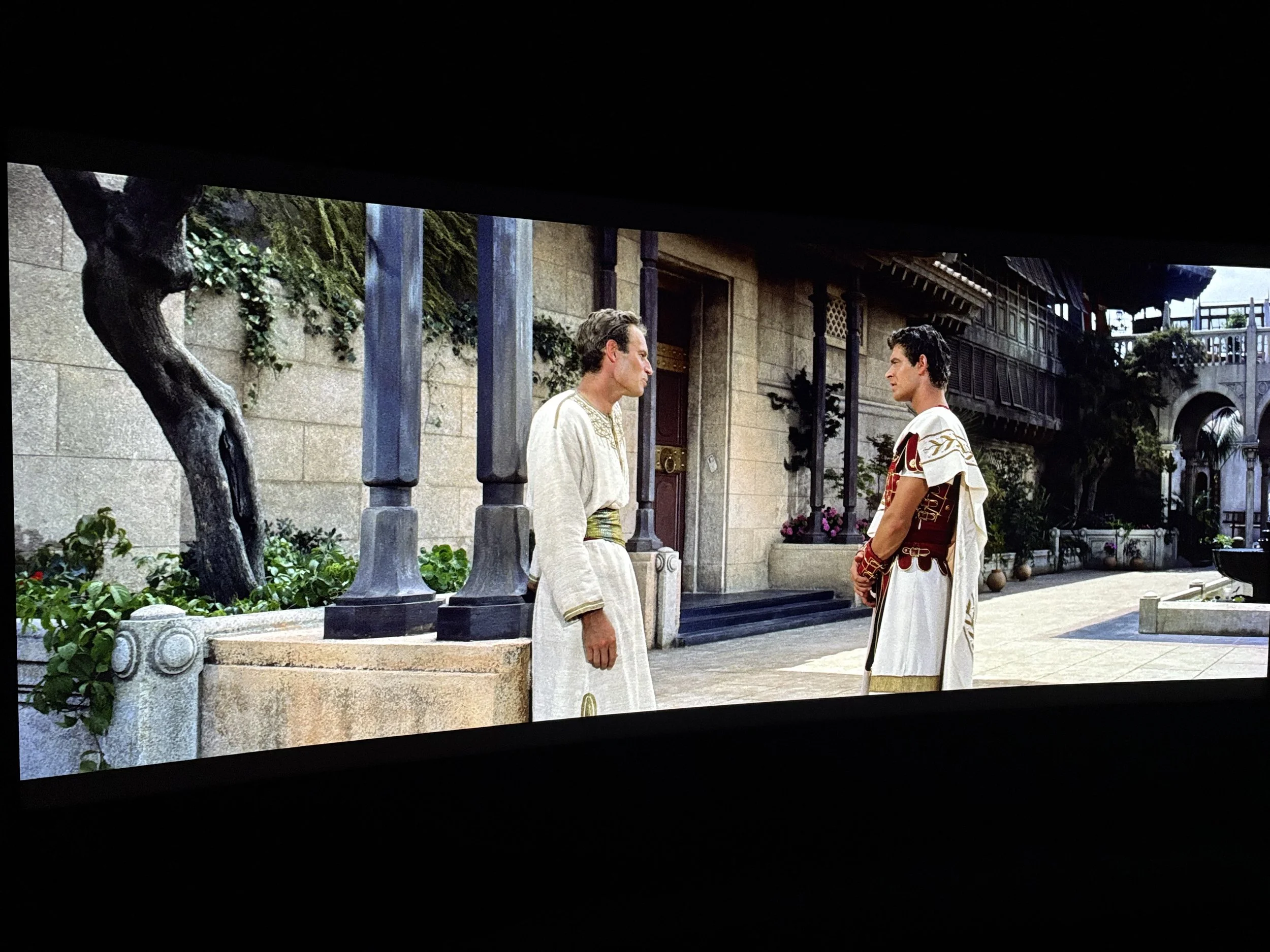
The result is a very large, bright and sharp image with excellent depth.
For someone who spent so many years working with film projection, seeing a modern digital projector produce this sort of CinemaScope image is particularly satisfying.
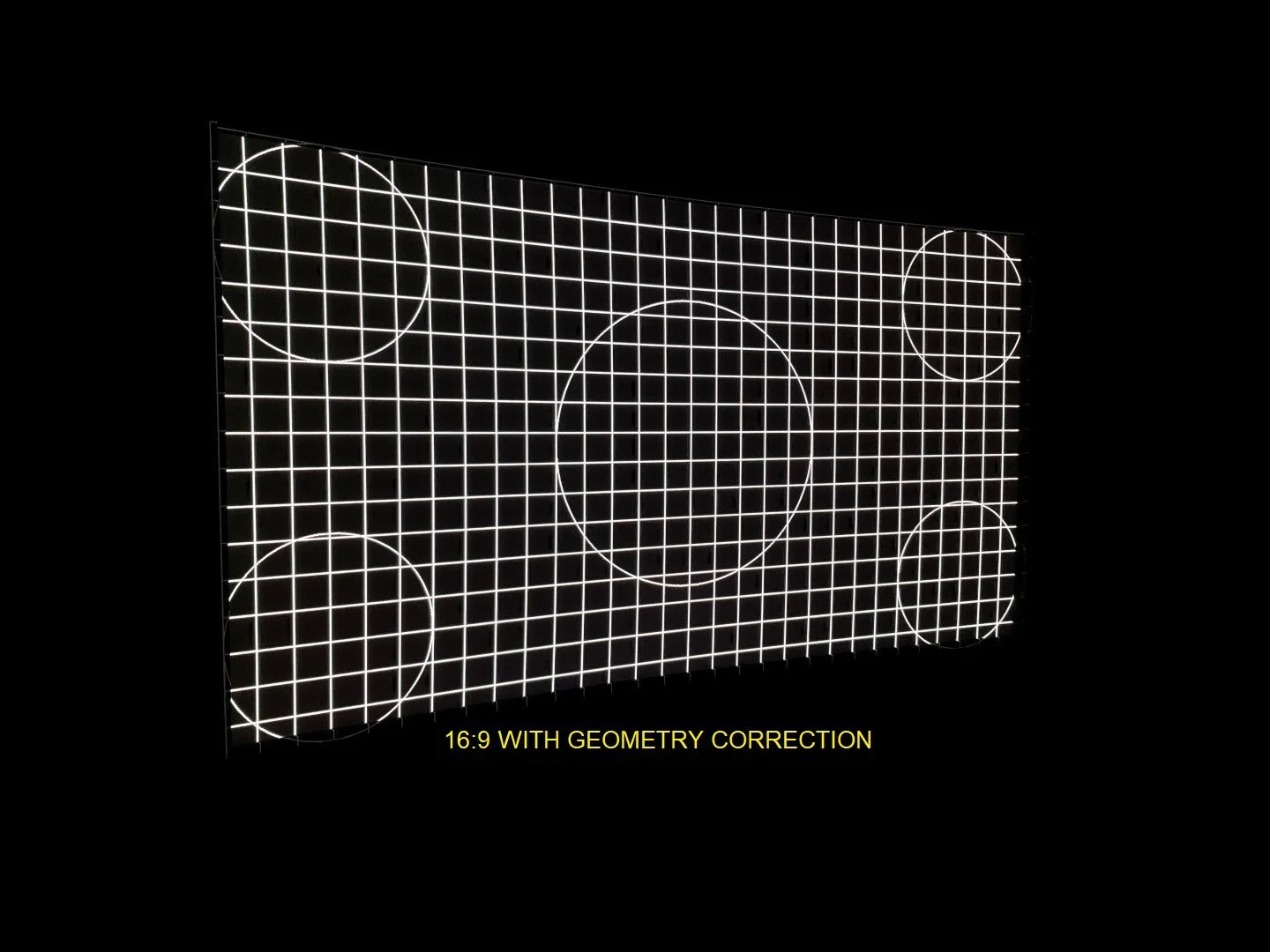
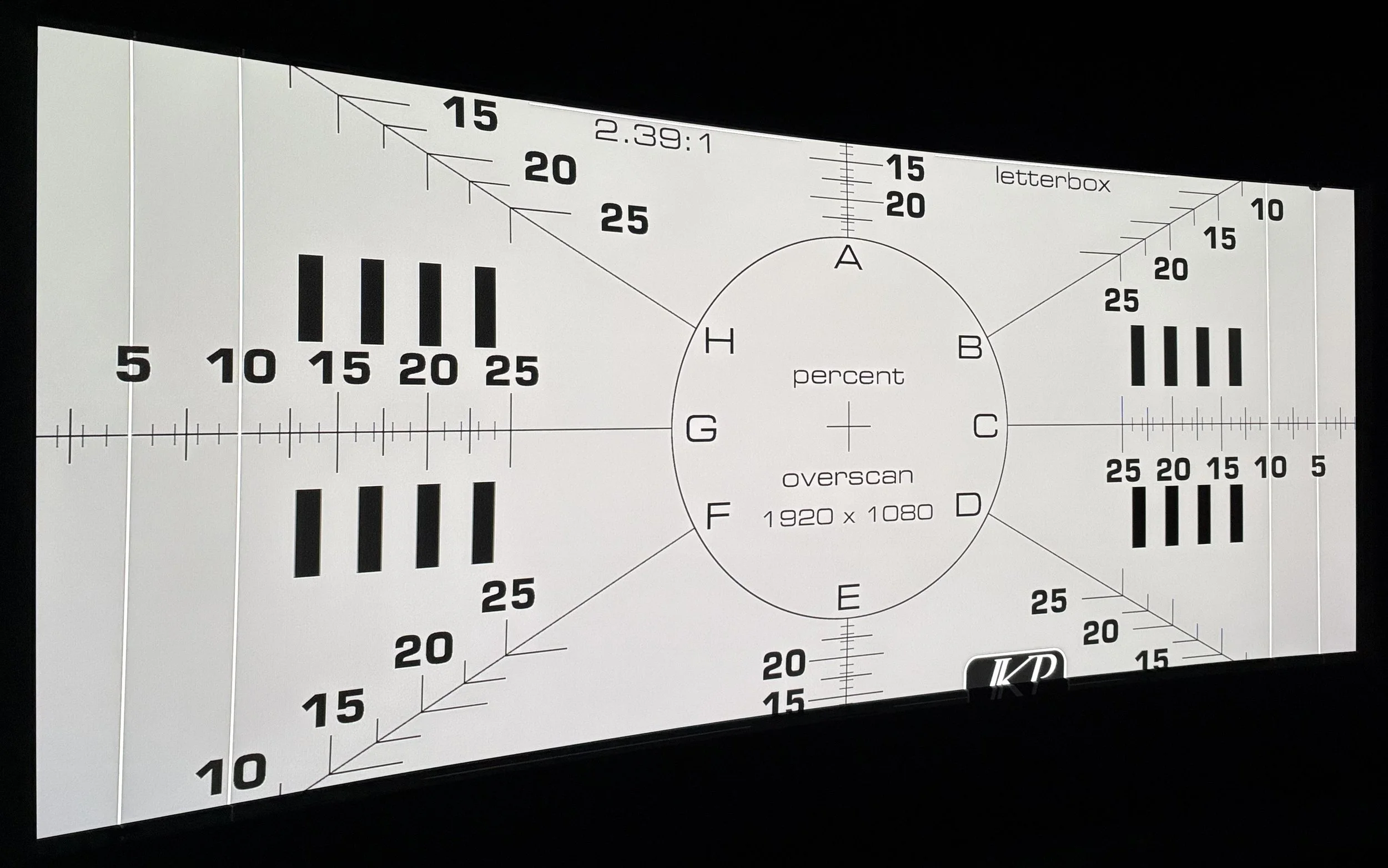
Edge to edge sharpness with Isco IIIL Anamorphic Lens
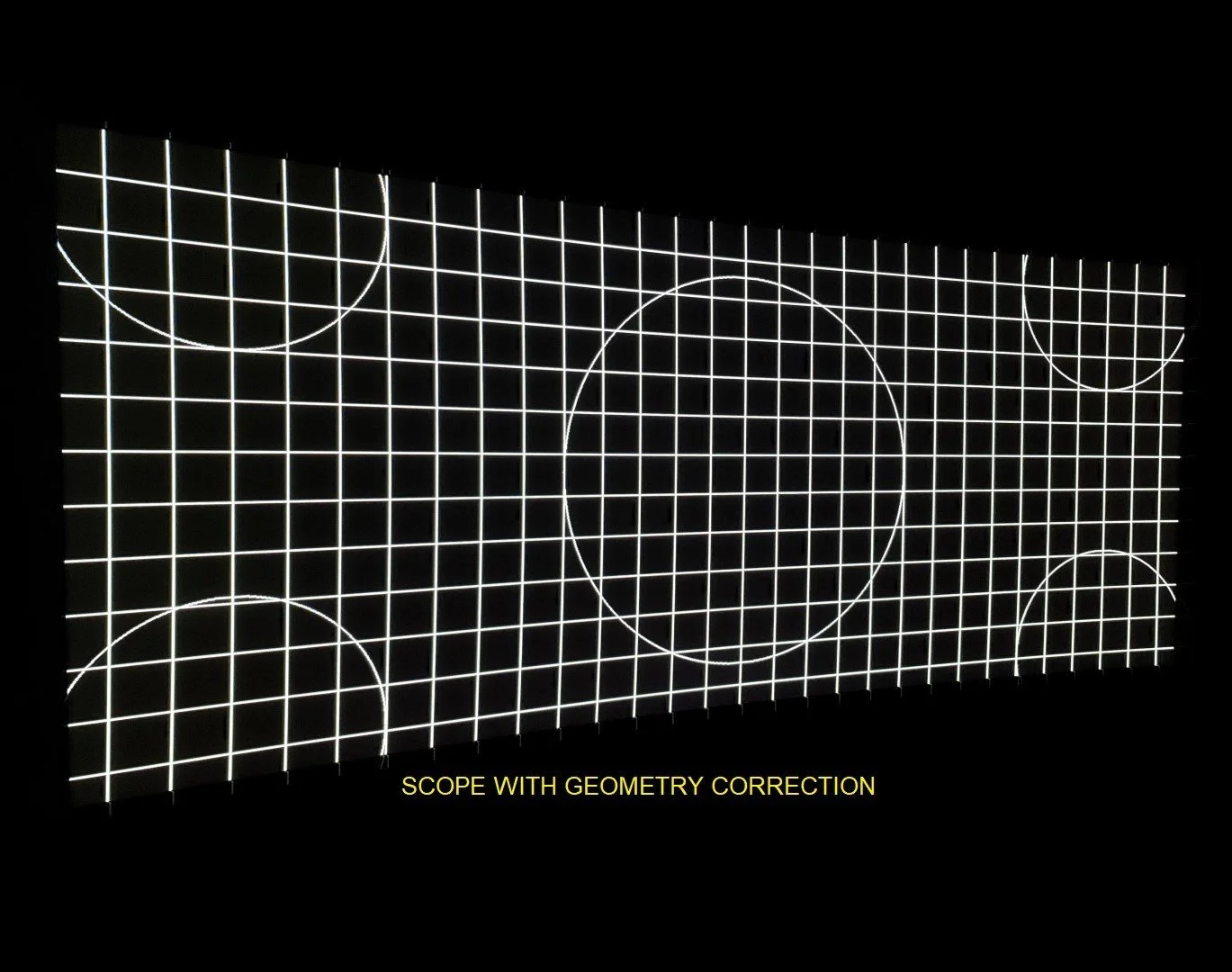
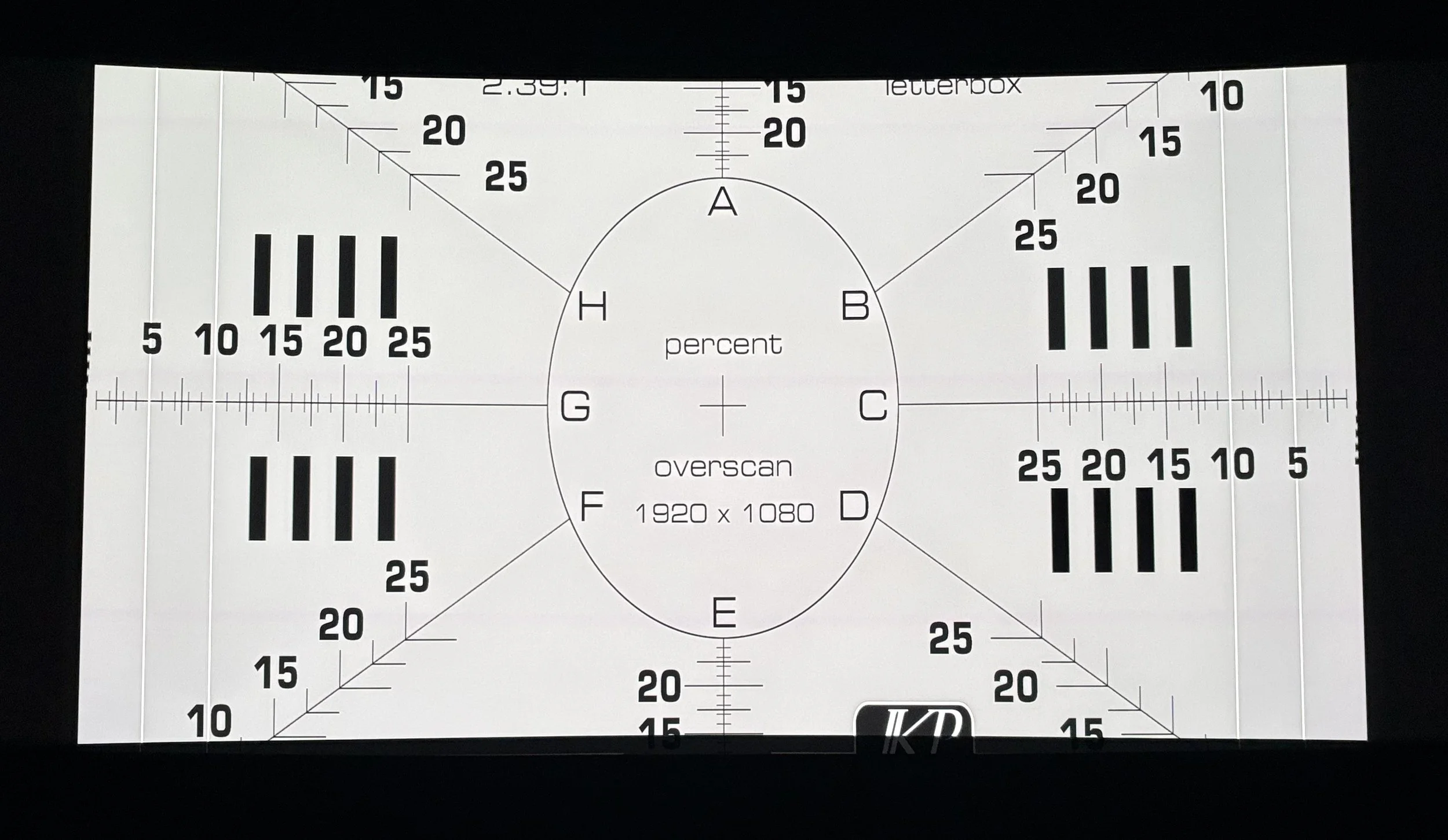
Anamorphic Stretch applied with JRVR
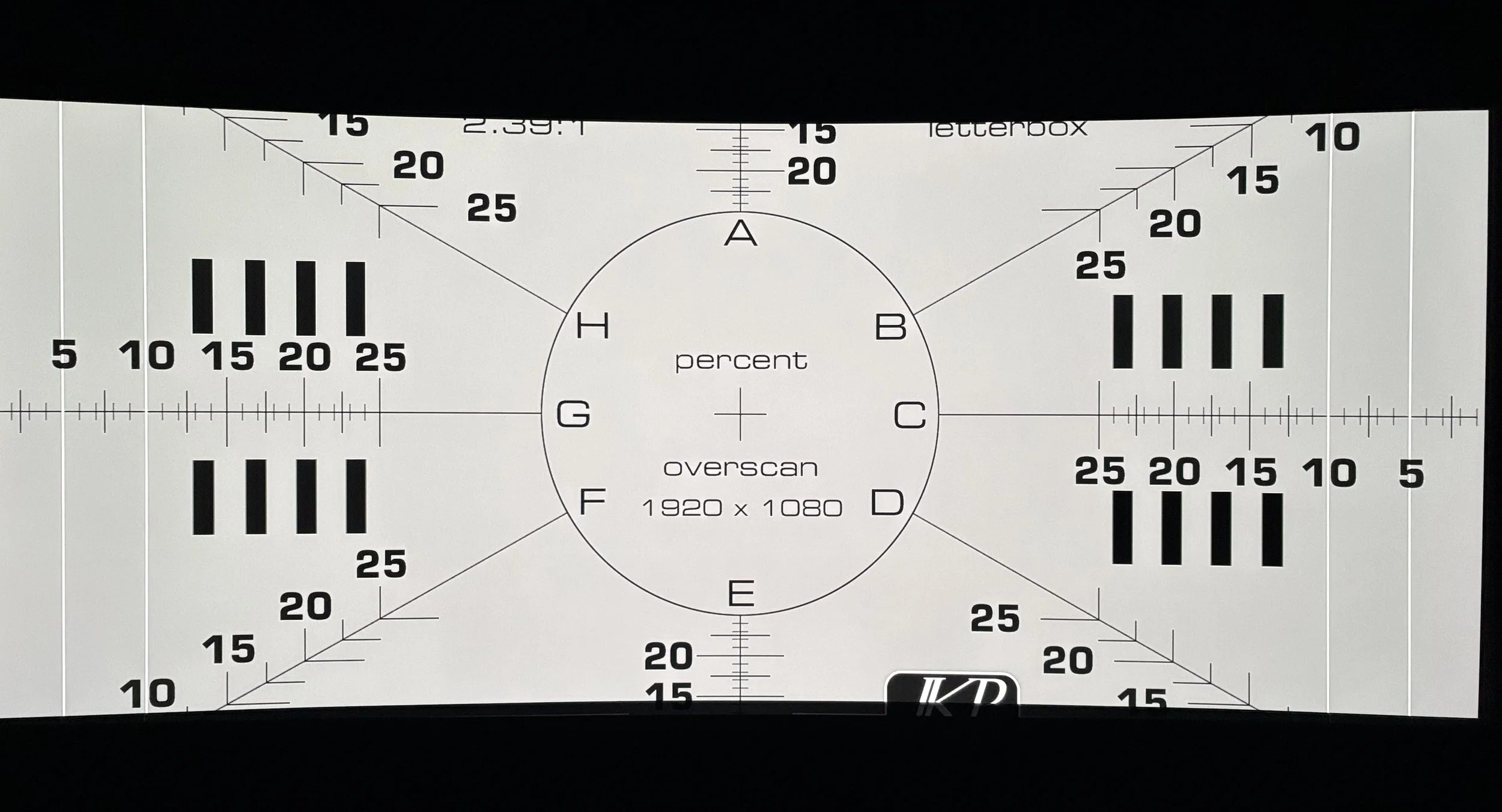
Isco IIIL Anamorphic lens now inplace wIth stretch correction
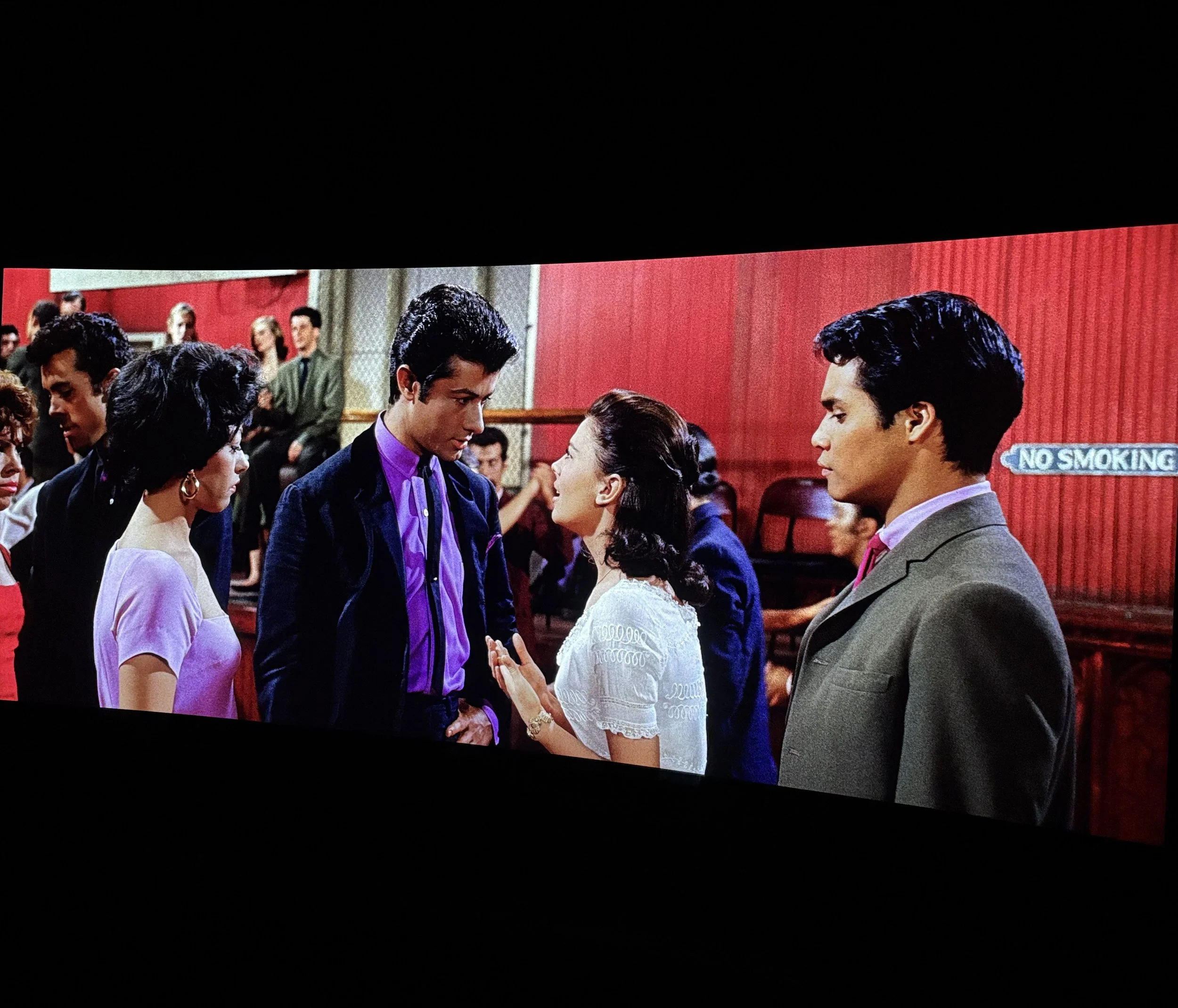
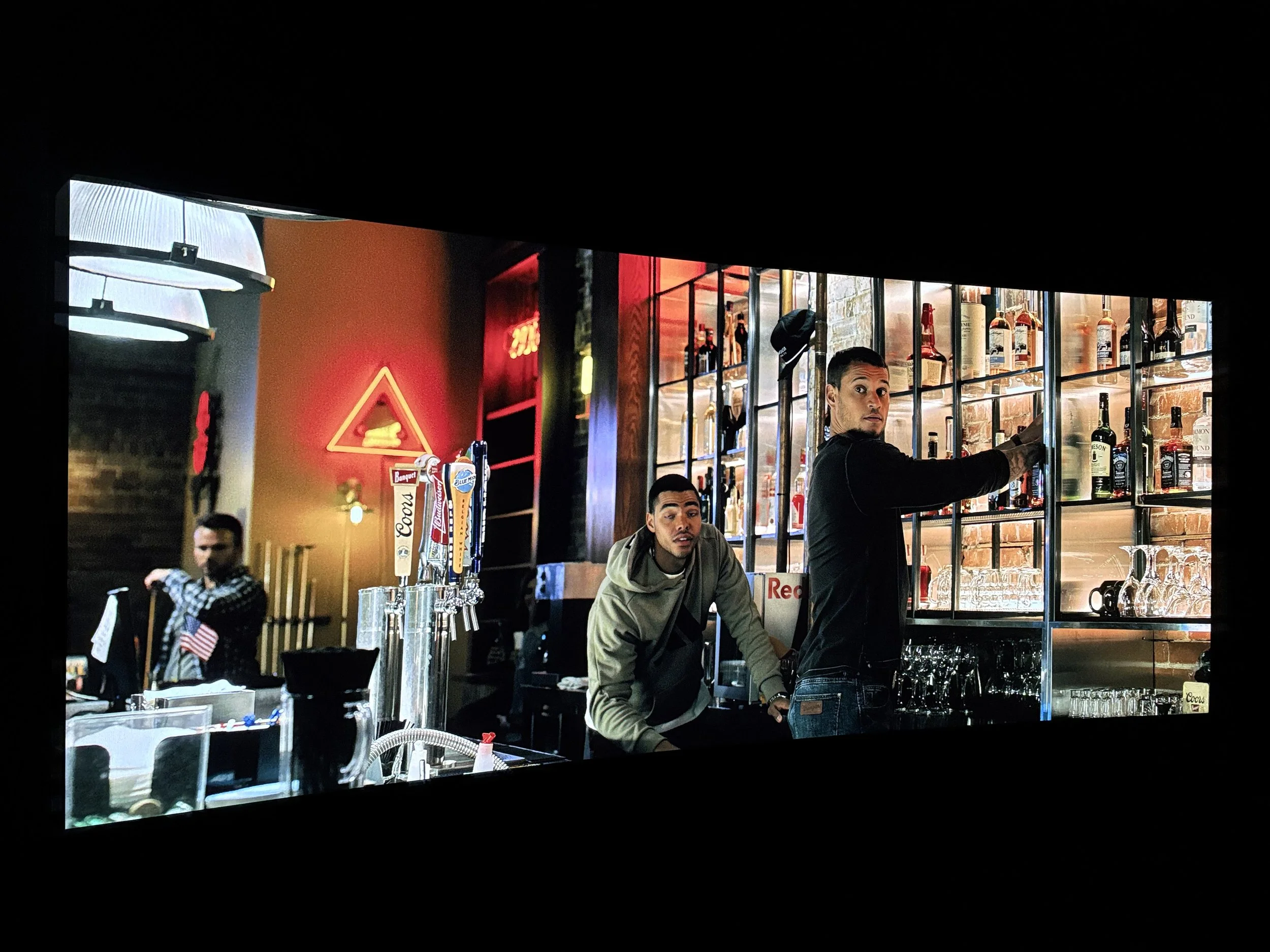
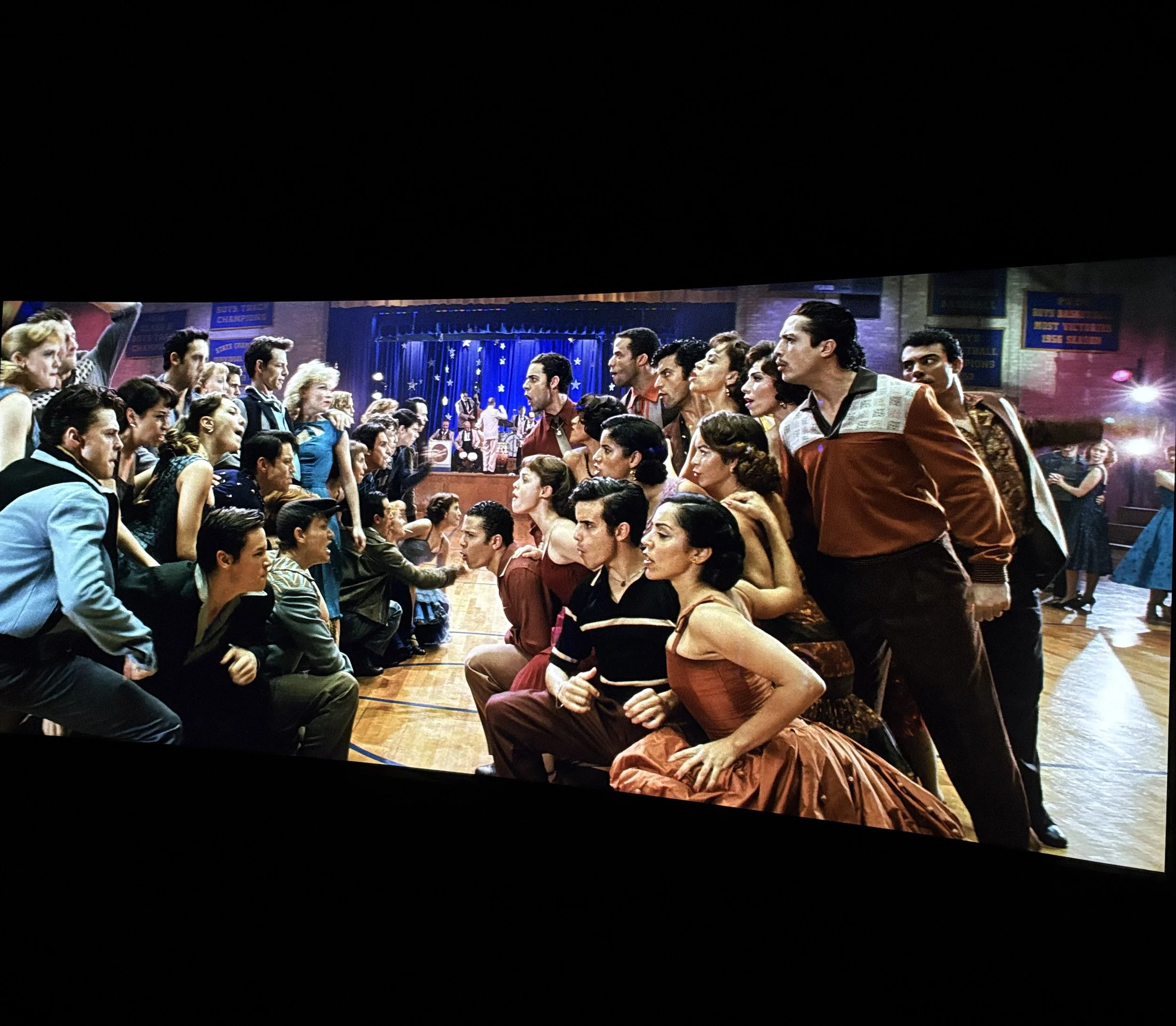
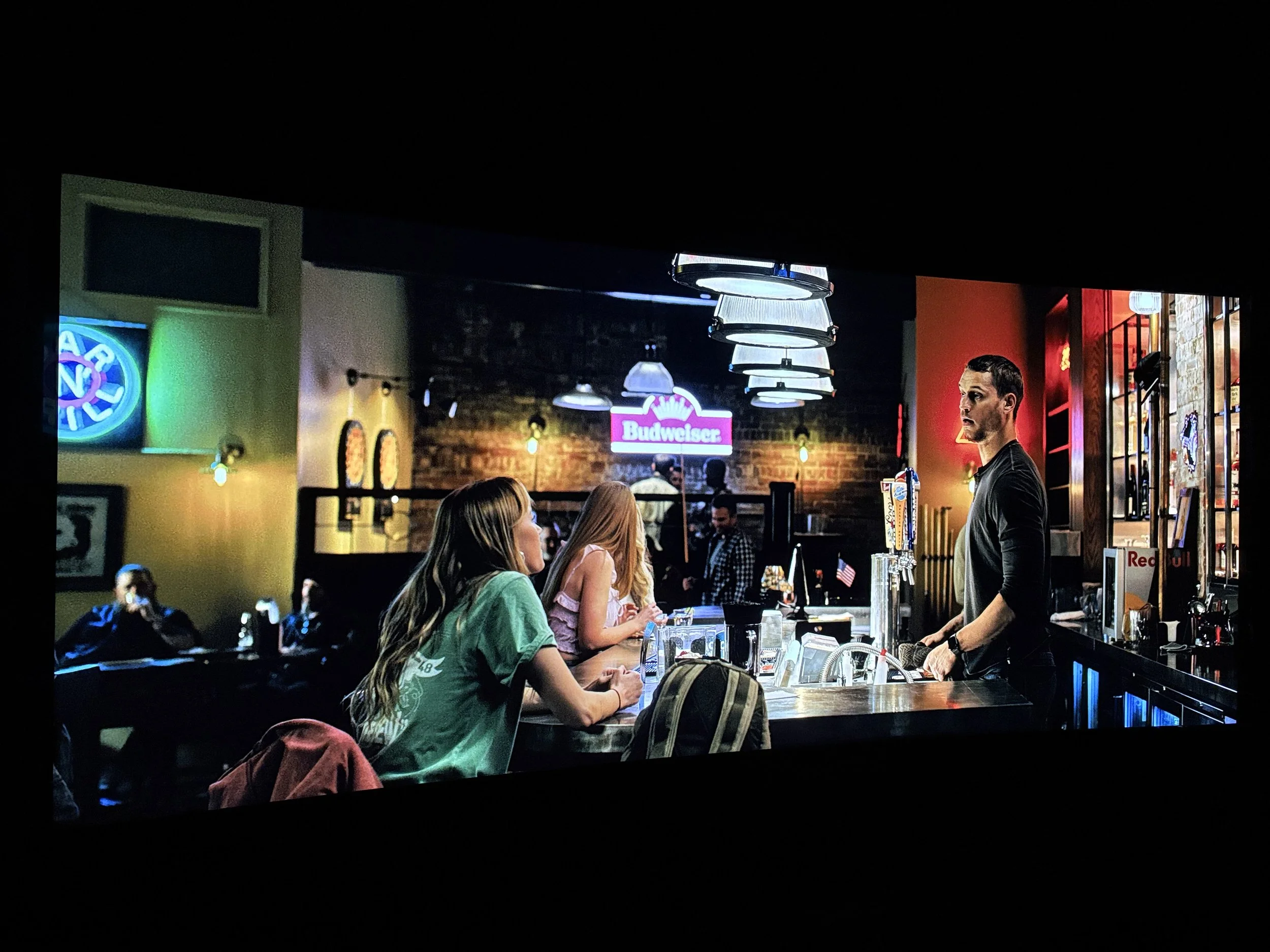
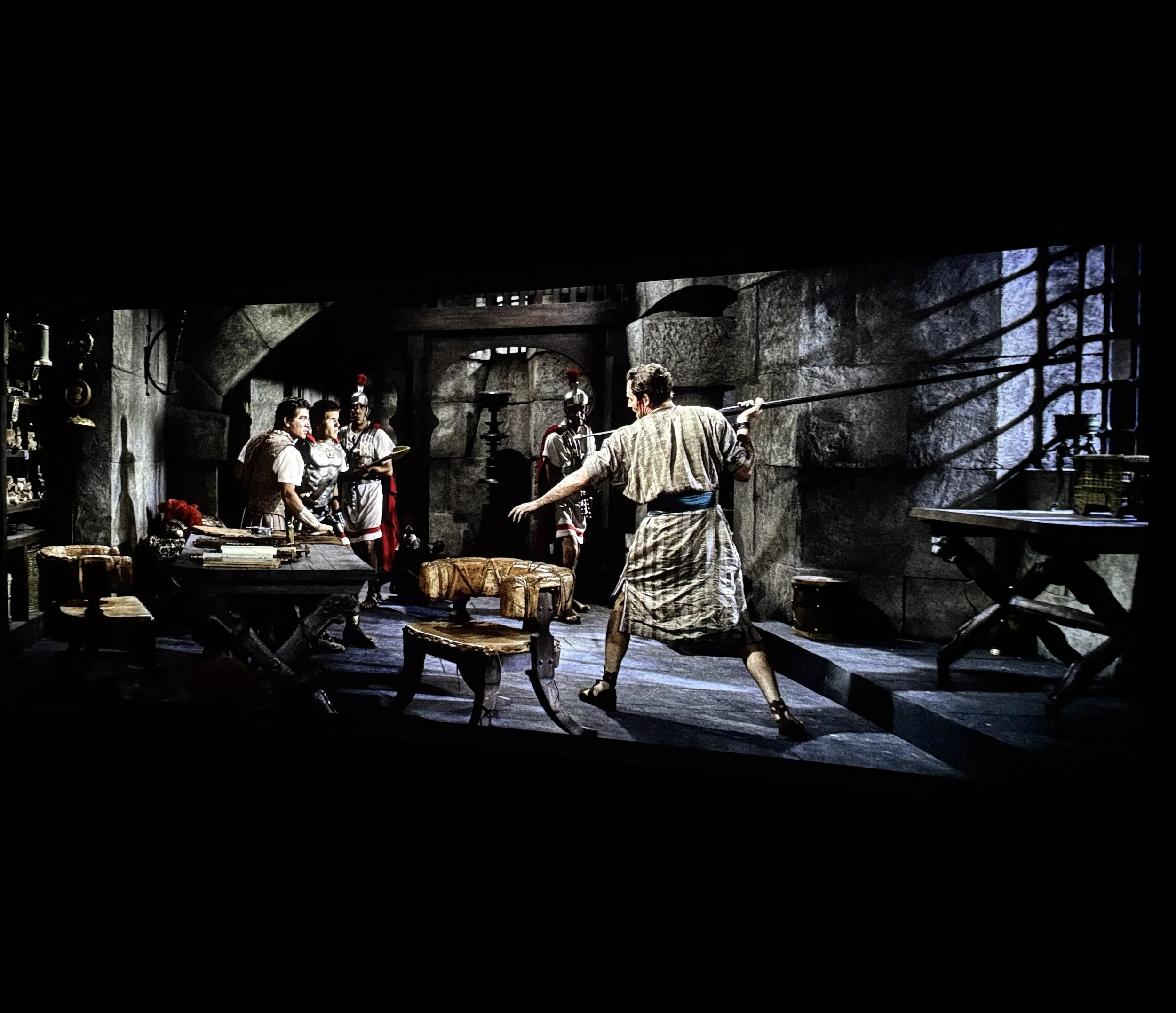
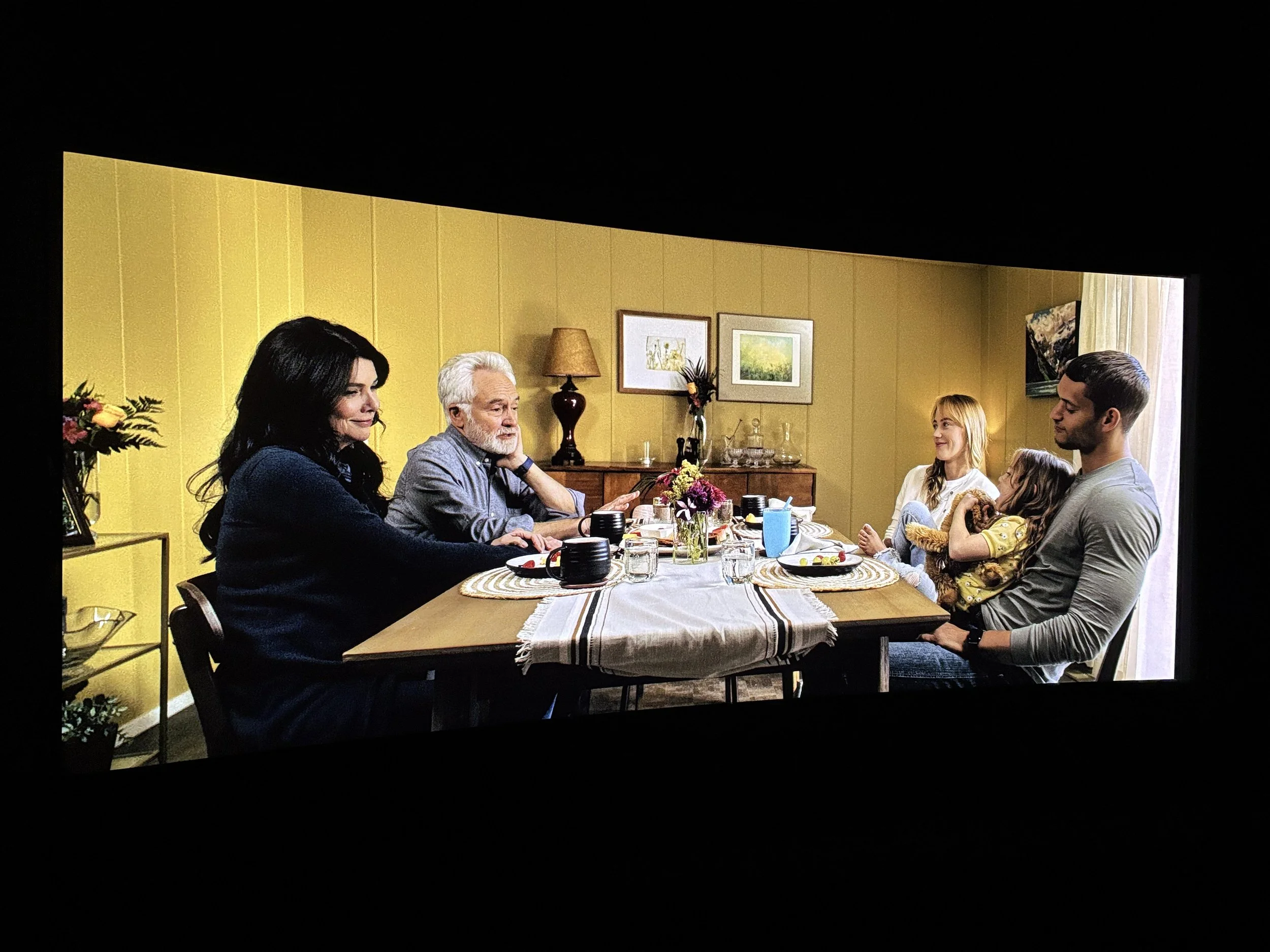
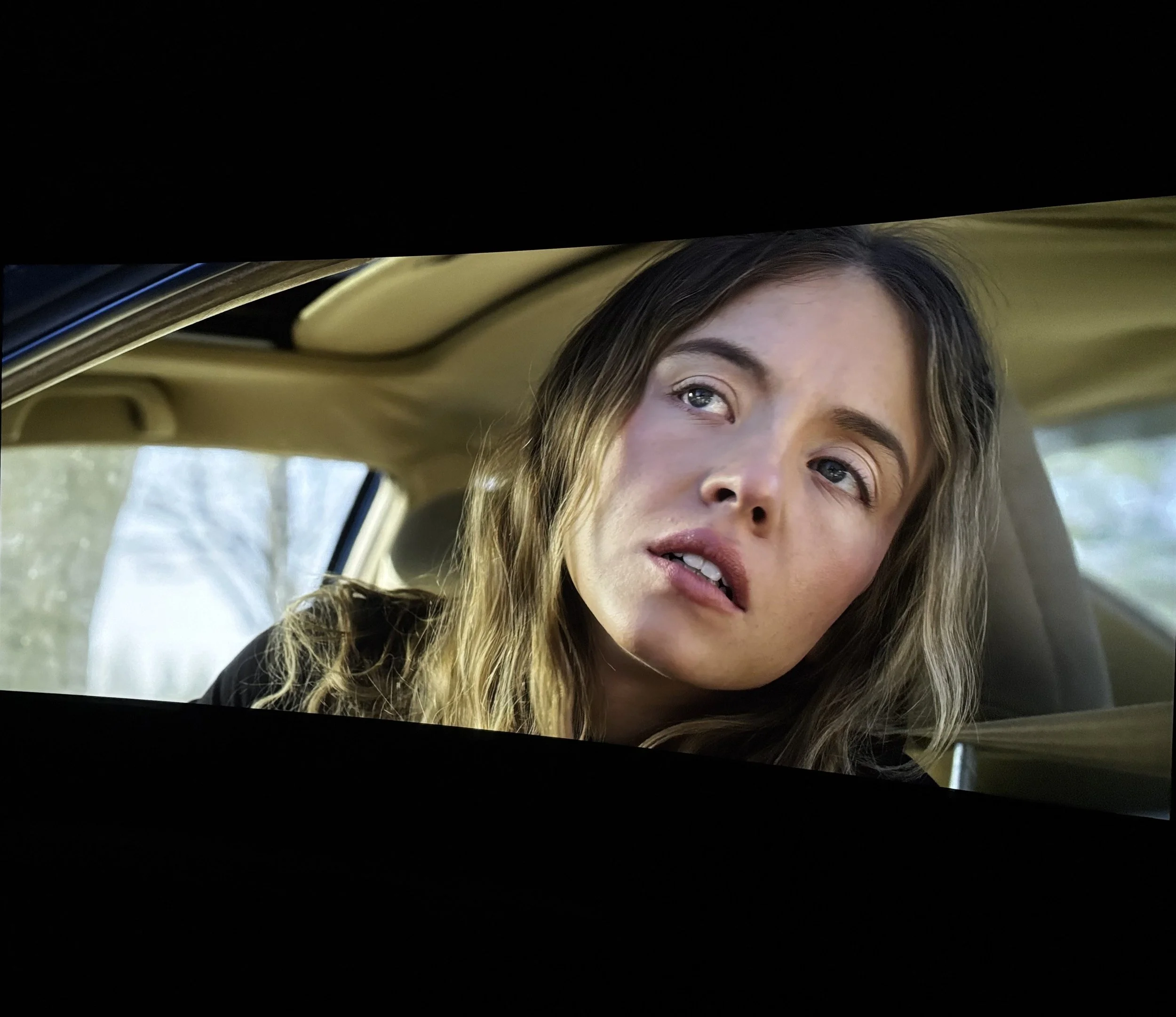
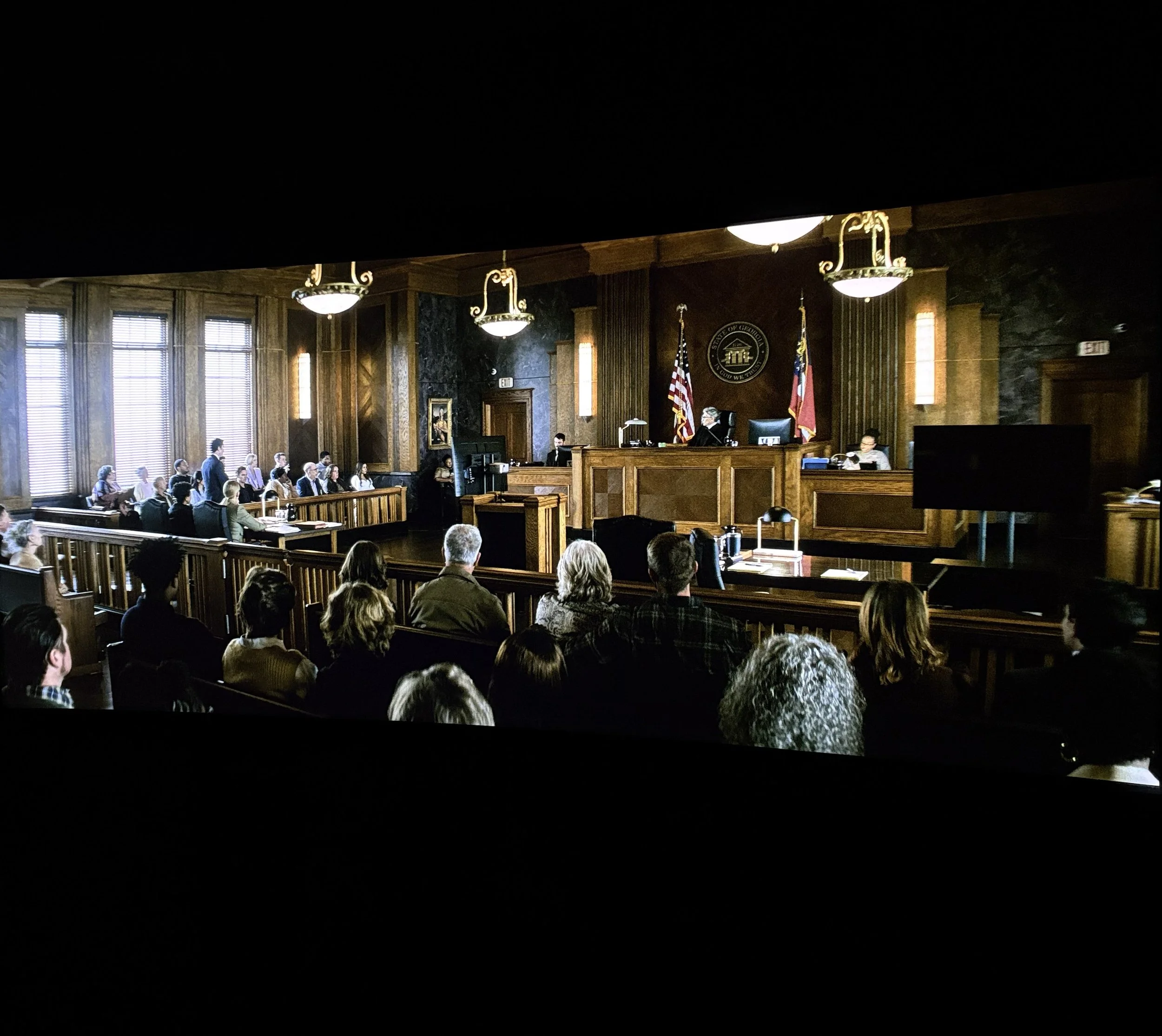
My current picture setup
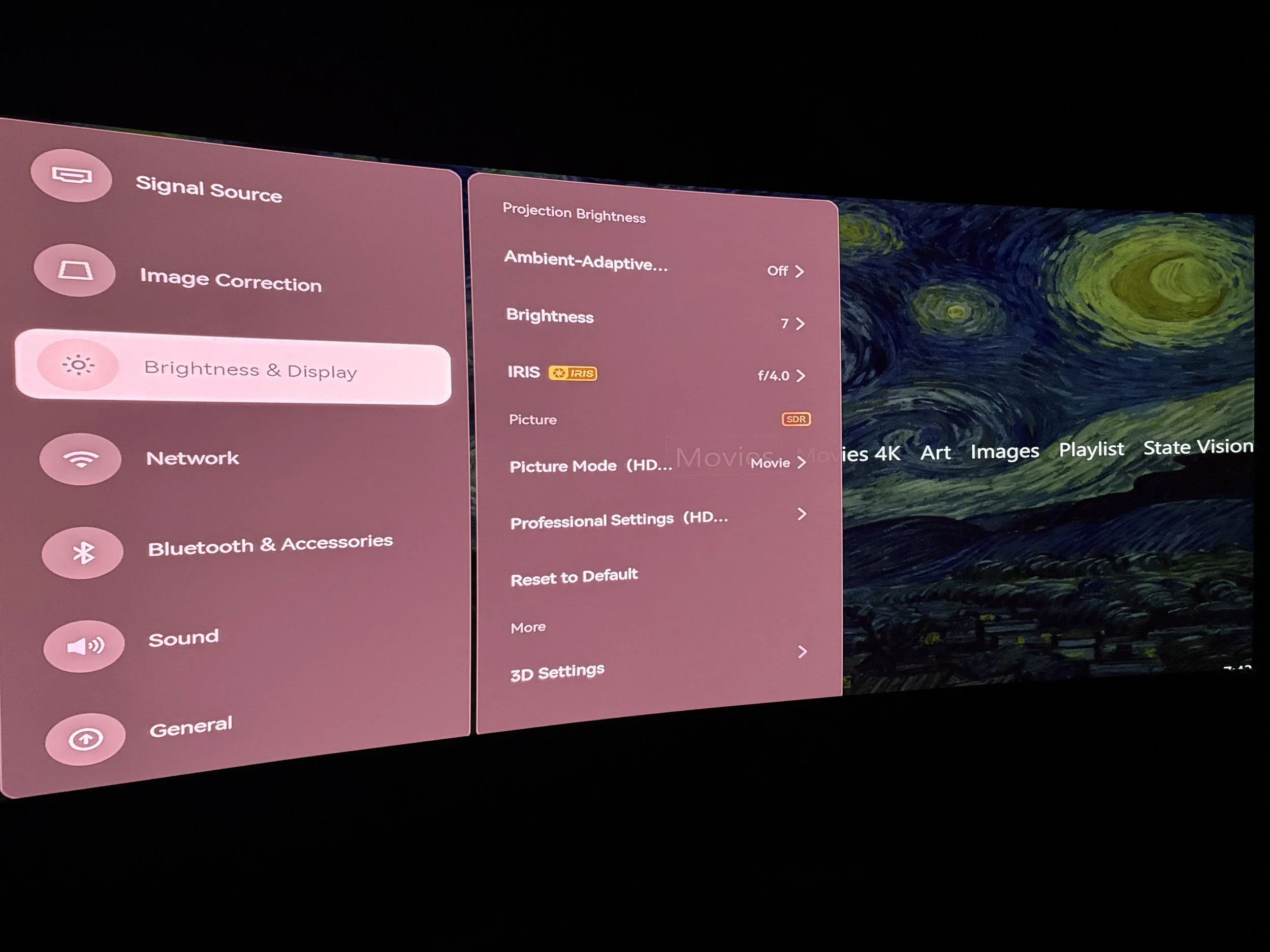
I have all of the TITAN Noir Ultra's image-enhancement features turned off. I'm not trying to add artificial sharpness or enhancement inside the projector.
For my room and screen, I've settled on F4.0, laser level 6 and gamma 2.3.
Dynamic mode is simply too bright for my setup, and unfortunately the laser level cannot currently be adjusted in these modes. I'd really like XGIMI to give us laser-level control in the different modes — Dynamic, F5.5 and F7.0.
For now, F4.0 with laser level 6 and gamma 2.3 gives me the balance I want, with plenty of light while retaining the shadow detail I'm looking for.
For HDR material I'm using JRVR's HDR-to-SDR tone mapping rather than relying on the projector's HDR processing.
TITAN Ultra versus Max
I currently have the TITAN Noir Max alongside the Ultra, both using the same firmware and menu system.
I haven't measured the difference, so these are purely my visual impressions.
To my eyes, the Ultra has a slight edge over the Max in brightness, contrast and black level. The difference isn't enormous, but I can see it when switching between them.
Both projectors have the image quality that has made me so interested in the TITAN range.
XGIMI supplied me with both the Max and Ultra for evaluation, so I think it's important to make that clear.
They both have their quirks, as all projectors do, but despite that, they have become my full-time projectors.
Other projectors I've recently compared
I've also recently tested several other projectors in my black-velvet-lined theatre:
Optoma UHR90DV; Optoma UHC70LV; Sony BRAVIA Projector 9 VPL-XW6100ES; JVC DLA-NZ700; JVC DLA-NZ800.
After seeing all of them, there wasn't one that made me want to replace the TITAN Max or Ultra.
That's simply my honest experience in my room.
I'm not saying the TITAN is perfect, or that the other projectors don't have their strengths.
But when I sit down to watch a movie, the TITAN is currently the image I prefer.
It has become a very intoxicating image for me, and that's why the Max and Ultra have become my full-time projectors until something better comes along.
What I'd like XGIMI to improve
There are several things I'd like to see addressed through future firmware.
I've always had an issue with DLP rainbows. They aren't eliminated on the Max or Ultra, and I hope this can be improved through future development.
I'd also like better control of DBLE black enhancement. In my opinion it currently has too many artefacts. Three settings — Low, Medium and High — would give users much better control.
The main features I'd like to see added to the TITAN range are: anamorphic stretch; four-way digital masking; geometry correction; easy access to the existing hide/blank function; laser-level control in the different modes — Dynamic, F5.5 and F7.0.
The TITAN already has a hide function, but it is hidden away and isn't available from the normal remote or projector menu. I can access it using RS-232 commands, which works well with my automation, but I'd like to see XGIMI expose it properly.
XGIMI has stated in its literature that the TITAN range will receive four years of firmware support, so there is plenty of opportunity to refine these projectors.
Interestingly, there is also an AVSForum project looking at a custom anamorphic lens solution for the XGIMI TITAN Noir series, being developed by Spexman, who has also worked on anamorphic solutions for the Valerion projectors. https://spexman.ca/
That makes the lack of native anamorphic support particularly interesting.
If XGIMI can add these features, I think the TITAN range has enormous potential.
The potential is already there, and I believe the TITAN range could genuinely shake up the three main players in the home-theatre projection world.
What I'd like to see from XGIMI in the future
I'd also love to see XGIMI eventually produce a dedicated three-chip home-theatre projector.
Something designed more like a traditional high-end home-theatre projector, with a centred lens, proper installation features and all the bells and whistles enthusiasts expect.
A three-chip design would eliminate the single-chip DLP rainbow issue and hopefully also address the speckle that some viewers notice with laser DLP projectors.
Take the light output and image characteristics of the TITAN range and combine them with the refinement and installation features of a serious dedicated home-theatre projector, and I think XGIMI could have something very special.
Then and now
When I think about where this all started, it is quite a change.
As a kid I was making Super 8 movies and selling tickets to the neighbourhood kids. Today I'm sitting in front of a 150-inch curved CinemaScope screen with an Isco IIIL anamorphic lens on a Cineslide, automated masking, an iPad control system and a TITAN Noir Ultra.
Quite a difference from my old 8mm projector.
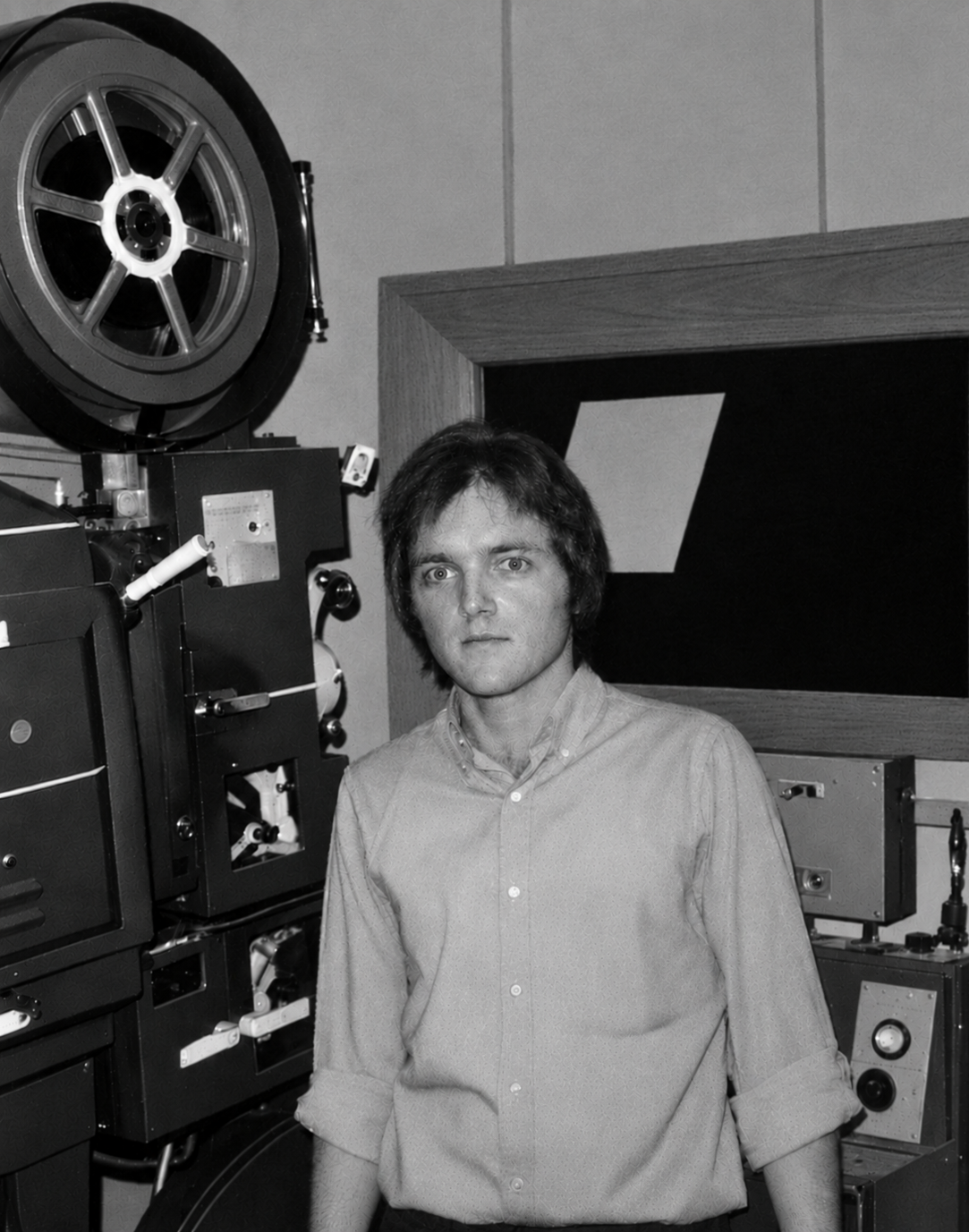
ODEON THEATRE BIO BOX QUEEN STREET AUCKLAND NZ 1970
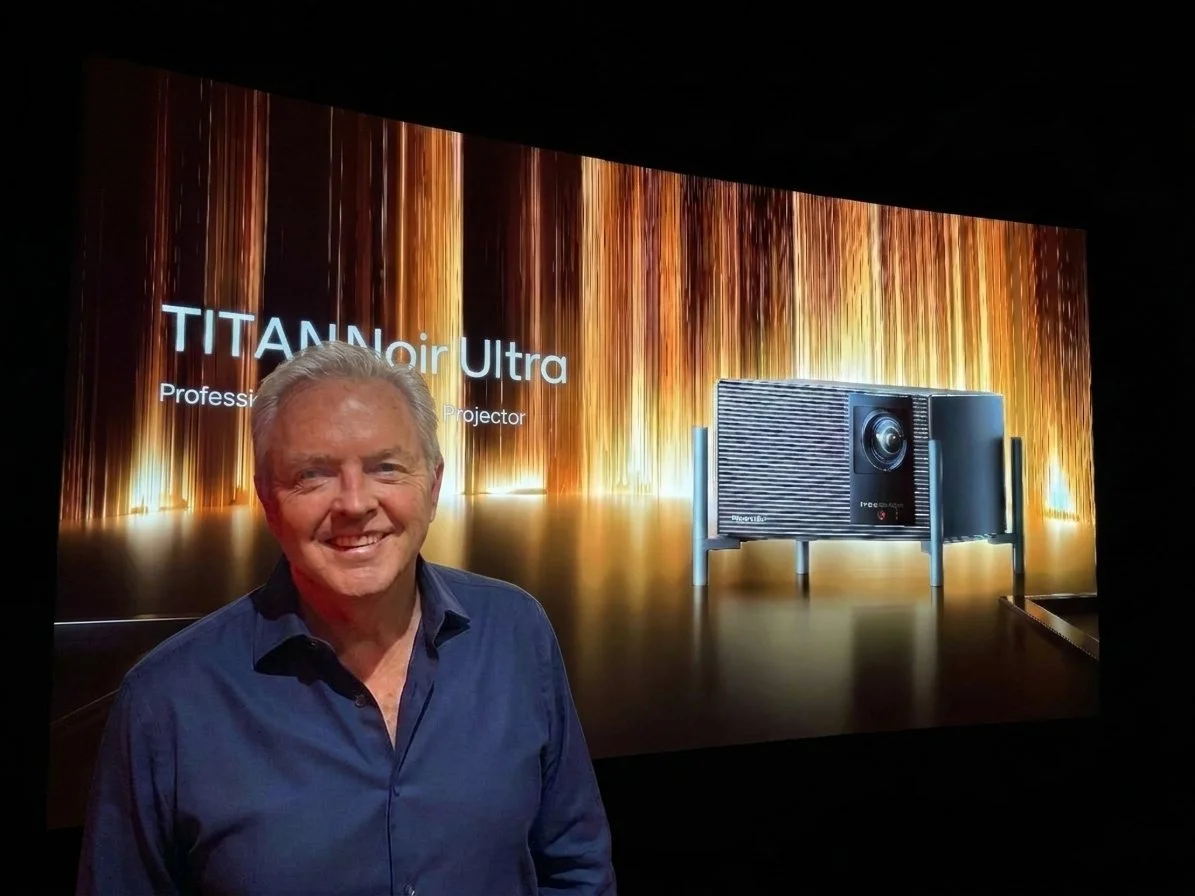
MY HOME THEATRE TODAY
Final thoughts
The reason I wanted to try the TITAN Noir Ultra with my Isco IIIL was straightforward.
I wanted to see whether a modern DLP projector could deliver the sort of proper CinemaScope presentation that I've enjoyed since my cinema days.
For me, it absolutely can.
The edge-to-edge sharpness, contrast and available light make the TITAN Noir Ultra an excellent match for my 150-inch curved Scope screen.
The Isco IIIL, Cineslide, JRVR processing and automated masking take it another step further.
There are things I'd like XGIMI to improve, and I've been quite open about them in this report. But the important thing is that the underlying image is already very good.
The TITAN doesn't need to become something completely different. It already has the image that made me temporarily move away from JVC.
If XGIMI can now add the control and refinement that serious home-theatre enthusiasts are asking for, I think these projectors could become something very special.
For now, I'm very happy pressing one button on the iPad, watching the Isco IIIL slide into position and seeing the CinemaScope image fill the screen.
After more than 50 years of playing with projectors, I still enjoy it.
Equipment
LCR Three 12" PSA MTM-212,
7x Klipsch Ultra 2 THX KLC-KS7502,
2x Klipsch Ultra 2 THX KS-7502,
3x Klipsch Ultra 2 THX KL-7800,
Four M&K subs X12+,
1x 3ch Purifi amps 1ET6525SA for Centre Front,
2x 6ch Hypex amps NC502MP for Front L&R,
Lyngdorf MP-60 2.1,
Curved Cinemascope Stewart Ultra Perf StudioTek 130 G4 projection screen 150”,
XY Soundmax 4K 150" curved scope screen,
Isco IIIL Anamorphic Lens plus Cineslide,
Motorised four stops curved side masking,
JVC NZ800
Titan Noir Max & Ultra (Tester)
JRiver JRVR,
madvr PC.